ASKINTENSIVISTASKINTENSIVISTASKINTENSIVISTASKINTENSIVIST
  • About
    • About Us
    • About Dr. Anand Bhabhor
    • History of ICU
    • Critical Care in Two Tier Cities in India
  • Procedures In ICU
    • Ascites Fluid Tapping
    • Arterial Blood Gas
    • Arterial Line Insertion
    • Bone Marrow Biopsy
    • Bronchoscopy
    • Central Line Insertion
    • Dialysis Port Insertion
    • EEG EMG NCS
    • Foley Catheter Insertion
    • Intubation
    • Lumbar Puncture
    • Percutaneous Endoscopic Gastrostomy
    • Pericardiocentesis
    • Peripheral Catheter Insertion
    • Pleural Fluid Tapping
    • Pulmonary Arterial Catheter Insertion (PA Cath)
    • Ryles Tube Insertion
  • Events In ICU
    • Bedsores (Pressure Ulcer)
    • Collapsed Lung
    • Complications of Immobilization
    • Critical Illness Neuro-Myopathy
    • Stroke
    • Venous Thromboembolism (VTE)
  • Common Care In ICU
    • Physiotherapy
  • Investigations In ICU
    • Digital Subtraction Angiography (DSA)
    • Radiology
  • FAQs

Pressure Ulcer – Key Factors to Prevent

By askadmin | Uncategorized | 0 comment | 23 May, 2019 | 0

GUIDE ON PRESSURE ULCER

Key Factors to Prevent

Key Factors to Prevent

Skin Care

Inspect Skin Daily. Pay special attention to any reddened areas that remains after you have changed positions and the pressure has been relieved. A mirror can help when looking at hard-to-see areas. Pay special attention to pressure points

Prevent Dry Skin

Use creams or oils on your skin , do not rub the skin

Minimize/Control Moisture

Control moisture from urine or stool, perspiration, or wound drainage.

Often urine leaks can be treated. Pads or briefs that absorb urine and have a quick drying surface that keeps moisture away from the skin should be used.

A cream or ointment to protect skin

No-sting barrier film should be applied on skin to avoid moisture irritation to direct to skin

Keep Clean

Your skin should be cleaned as soon as it is soiled. A soft cloth or sponge should be used to reduce injury to skin. Take a bath when needed for comfort or cleanliness.

Minimize/Control Moisture

Control moisture from urine or stool, perspiration, or wound drainage.

Often urine leaks can be treated. Pads or briefs that absorb urine and have a quick drying surface that keeps moisture away from the skin should be used.

A cream or ointment to protect skin

No-sting barrier film should be applied on skin to avoid moisture irritation to direct to skin

Protect your skin from injury

Avoid massage of your skin over bony parts of the body.

Massage may squeeze and damage the tissue under the skin and make you more likely to get pressure ulcers.

Limit pressure over bony parts by changing positions or having your caregiver change your position.

If you are in bed, your position should be changed at least every 2 hours.

If you are in a chair, your position should be changed at least every hour.

Reduce Friction

Friction (rubbing) by making sure you are lifted, rather than dragged, during re-positioning. Friction can rub off the top layer of skin and damage blood vessels under the skin. If nurses or others are helping to lift you, bed sheets or lifters can be used.

Avoid use of donut-shape (ring) cushions. Donut-shape cushions can increase your risk of getting a pressure ulcer by reducing blood flow an causing tissue to swell

If you are confined to bed:

A special mattress that contains foam, air, gel to prevent pressure ulcers.

Talk to your health care provider about the best mattress for you

If you are in a chair or wheelchair:

Foam, gel, or air cushions should be used to relieve pressure

Good posture and comfort are important

Avoid sitting without moving or being moved.

Eat well

Eat a balanced diet. Protein and calories are very important. Healthy skin is less likely to be damaged.

If you are unable to eat a normal diet, talk to your health care provider about nutritional supplements that may be desirable.


#pressure-ulcer

askadmin

More posts by askadmin

Related Posts

  • History of ICU

    By Dr. Varun Deshmukh | 0 comment

    INTRODUCTION AND HISTORY To better understand the present scenario and practices in Critical Care medicine in India, we need to first understand the history and evolution of the specialty over period of time. The conceptRead more

  • Critical Care in Two Tier Cities in India

    By Dr. Vaibhav Bhargav | 0 comment

    CURRENT STATUS OF CRITICAL CAREin Two-Tier Cities of India Intensive Care Unit (ICU) Intensive Care Medicine or critical care medicine is a branch of medicine concerned with the provision of life support or organ supportRead more

  • Digital Subtraction Angiography (DSA)

    By askadmin | 0 comment

    DIGITAL SUBTRACTION ANGIOGRAPHY (DSA) WHAT IS DSA? Digital Subtraction Angiography (D.S.A.) is a fluoroscopy-guided technique in the speciality of Interventional Radiology (IR), to diagnose and treat various diseases of the blood vessels of the humanRead more

  • Radiology

    By Dr. Shraddha Sinhasan | 0 comment

    RADIOLOGY IMAGING IN ICU SET-UP Radiological imaging is an integral part of management in ICU set up. The commonly used modalities are X Ray, USG, CT scan and MRI. X- Ray or Rhontgenogram Image Source:Read more

  • Physiotherapy

    By Dr. Usha Kasare | 0 comment

    PHYSIOTHERAPY IN ICU What is the Role of Physiotherapy in ICU? The ICU is a dynamic interprofessional environment where Physiotherapists assess, treat and manage respiratory conditions, and mobility issues and rehabilitate critically ill patients. PhysiotherapistRead more

  • Bronchoscopy

    By Dr. Nimish Shah | 0 comment

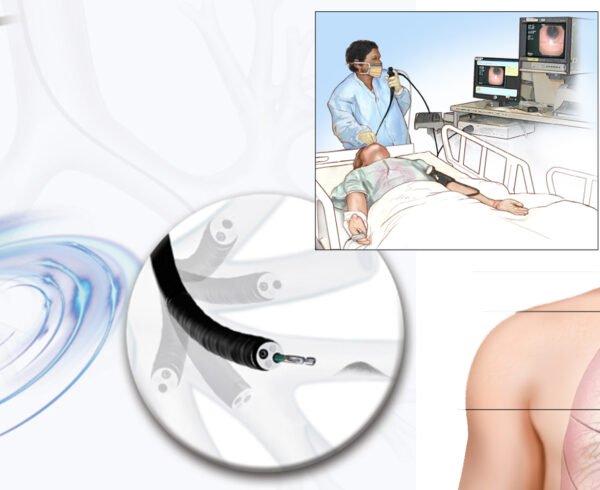
    BRONCHOSCOPY What is Bronchoscopy? Bronchoscopy is where a thin tube-like instrument with a camera at its tip is used to examine the breathing passages/tubes of your lungs. The bronchoscope enables the doctor to see insideRead more

  • Central Line Insertion

    By Dr. Pinank Pandya | 0 comment

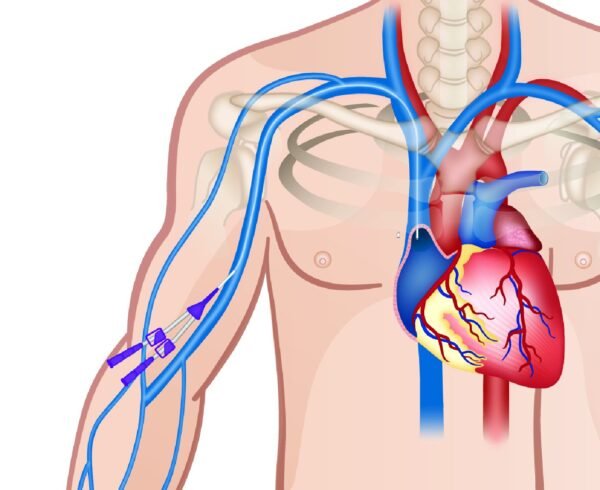
    CENTRAL LINE INSERTION What is Central Line Insertion? Image Source: https://www.aboutkidshealth.ca/CVL A central line is a conduit or intravenous access which can be inserted into a large Central vein. The most probable sites are TheRead more

  • Dialysis Port Insertion

    By Dr. Pinank Pandya | 0 comment

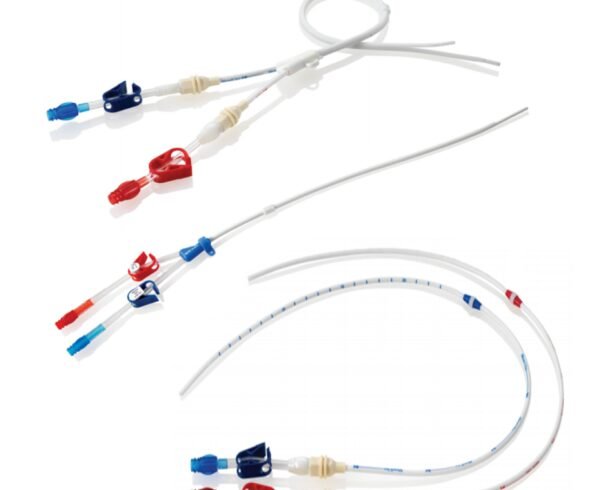
    DIALYSIS PORT INSERTION Hemodialysis Catheter Insertion (HD Port) HD port or catheter is a conduit or intravenous access which can be inserted into a large Central vein mainly for the purpose of hemodialysis. The mostRead more

Leave a Comment

Your email address will not be published. Required fields are marked *

11 + two =

© 2019 AskIntensivist | All Rights Reserved

Made With By WEBEDP
  • About
    • About Us
    • About Dr. Anand Bhabhor
    • History of ICU
    • Critical Care in Two Tier Cities in India
  • Procedures In ICU
    • Ascites Fluid Tapping
    • Arterial Blood Gas
    • Arterial Line Insertion
    • Bone Marrow Biopsy
    • Bronchoscopy
    • Central Line Insertion
    • Dialysis Port Insertion
    • EEG EMG NCS
    • Foley Catheter Insertion
    • Intubation
    • Lumbar Puncture
    • Percutaneous Endoscopic Gastrostomy
    • Pericardiocentesis
    • Peripheral Catheter Insertion
    • Pleural Fluid Tapping
    • Pulmonary Arterial Catheter Insertion (PA Cath)
    • Ryles Tube Insertion
  • Events In ICU
    • Bedsores (Pressure Ulcer)
    • Collapsed Lung
    • Complications of Immobilization
    • Critical Illness Neuro-Myopathy
    • Stroke
    • Venous Thromboembolism (VTE)
  • Common Care In ICU
    • Physiotherapy
  • Investigations In ICU
    • Digital Subtraction Angiography (DSA)
    • Radiology
  • FAQs
ASKINTENSIVIST