ASKINTENSIVISTASKINTENSIVISTASKINTENSIVISTASKINTENSIVIST
  • About
    • About Us
    • About Dr. Anand Bhabhor
    • History of ICU
    • Critical Care in Two Tier Cities in India
  • Procedures In ICU
    • Ascites Fluid Tapping
    • Arterial Blood Gas
    • Arterial Line Insertion
    • Bone Marrow Biopsy
    • Bronchoscopy
    • Central Line Insertion
    • Dialysis Port Insertion
    • EEG EMG NCS
    • Foley Catheter Insertion
    • Intubation
    • Lumbar Puncture
    • Percutaneous Endoscopic Gastrostomy
    • Pericardiocentesis
    • Peripheral Catheter Insertion
    • Pleural Fluid Tapping
    • Pulmonary Arterial Catheter Insertion (PA Cath)
    • Ryles Tube Insertion
  • Events In ICU
    • Bedsores (Pressure Ulcer)
    • Collapsed Lung
    • Complications of Immobilization
    • Critical Illness Neuro-Myopathy
    • Stroke
    • Venous Thromboembolism (VTE)
  • Common Care In ICU
    • Physiotherapy
  • Investigations In ICU
    • Digital Subtraction Angiography (DSA)
    • Radiology
  • FAQs

Venous Thromboembolism (VTE)

By askadmin | Events In ICU | 0 comment | 23 May, 2019 | 0

VENOUS THROMBOEMBOLISM (VTE)
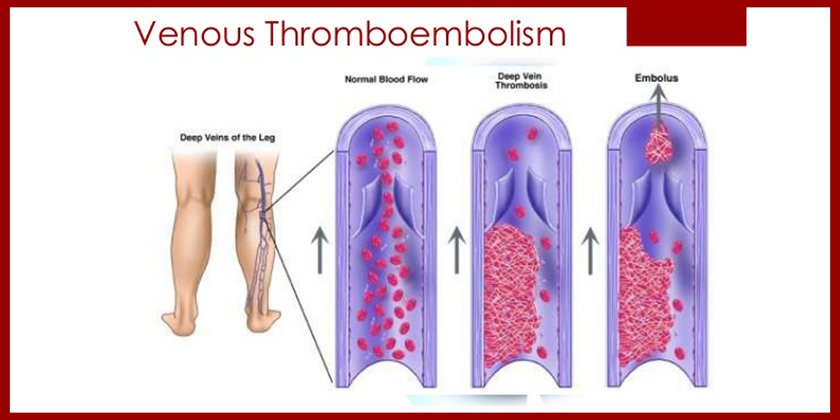
Image Source: https://desdaughter.com/2016/12/01/testosterone-treatment-and-risk-of-venous-thromboembolism/

Venous Thromboembolism (VTE)

Venous thromboembolism or deep vein thrombosis (DVT) occurs when a blood clot (thrombus) forms in one or more of the deep veins in your body, usually in your legs. Deep vein thrombosis can cause leg pain or swelling, but also can occur with no symptoms.

These are not infrequent occurrences in the hospital, especially in the intensive care unit.

There are multiple factors that increase the risk of DVT in hospital:

Major general surgery

Major orthopaedic surgery

Lower-extremity paralysis due to spinal cord injury

Fracture of the pelvis, hip or long bones

Multiple trauma

Cancer

Prior VTE— Patients with a previous episode of VTE have a high chance of recurrence.

Age— Patients older than 40 years are at higher risk, and that risk doubles with each subsequent decade.

Obesity— people with obesity have 2 times the risk of VTE as people with normal weight, and the higher the weight, the higher the risk.

Immobility— Prolonged immobility combined with other major risk factors increases the likelihood of VTE.

Oral Contraceptives or oestrogen treatment for menopause symptoms

Family history of VTE— especially if this is in a first-degree relative (parent, sibling, child)

Physical inactivity

Genetic blood conditions that affect clotting

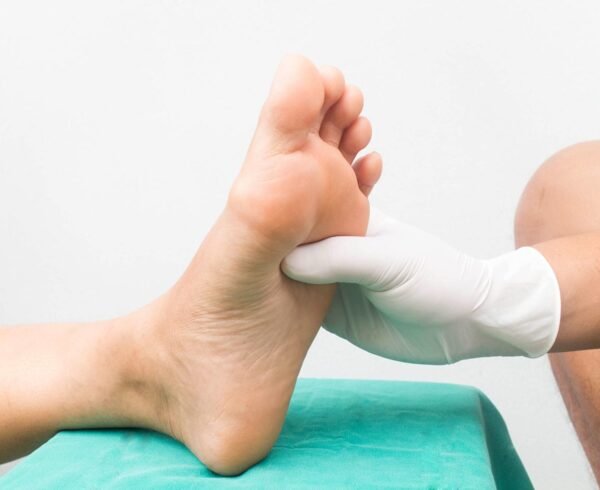
Image Source: https://www.newtimes.co.rw/section/read/220945

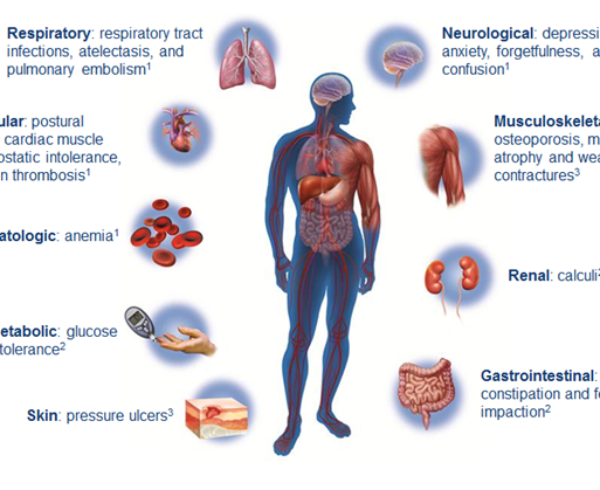
Image Source: https://www.mayoclinic.org/diseases-conditions/pulmonary-embolism/symptoms-causes/syc-20354647

Deep vein thrombosis signs and symptoms can include:

Swelling in the affected leg. Rarely, there’s swelling in both legs.

  • Pain in your leg. The pain often starts in your calf and can feel like cramping or soreness.
  • Red or discolored skin on the leg.
  • A feeling of warmth in the affected leg.

Deep vein thrombosis can occur without noticeable symptoms.

If left untreated, this clot can travel upto the lungs and cause a pulmonary embolism (PE) which can be life-threatening.

Hence, in hospital, with any of the above risk factors, patients are risk stratified and given prevention/prophylaxis.

These include:

  • Stockings
  • Flowtron pumps which are strapped to the calf muscles of the patient
  • Heparin injections.

If a DVT +/- PE is confirmed

then the treatment for this if Heparin injections (blood thinners) to begin with and followed by anti-coagulation tablets. The older tablets are Warfarin and Acitrone, which require regular blood tests for monitoring and adjusting dose. The newer medications eliminate the need for dose adjustment and testing.

#deep-vein-thrombosis, #dvt, #thromboembolism, #venous, #vte

askadmin

More posts by askadmin

Related Posts

  • Stroke

    By askadmin | 0 comment

    STROKE PAMPHELET A stroke is a sudden event that occurs resulting due to death of cells in the brain and results in any of the following symptoms. In common terms stroke is a paralysis attack.Read more

  • Bedsores (Pressure Ulcer)

    By Sis. Jyotshna Mohite | 0 comment

    GUIDE ON PRESSURE ULCERPressure Ulcers – A Guide for patient and caregivers PRESSURE ULCER Pressure ulcers may also be called bed sores or pressure sores or pressure injury Skin reddening that disappears after pressure isRead more

  • Critical Illness Neuro-Myopathy

    By Dr. Azad Irani | 0 comment

    CRITICAL ILLNESS NEURO-MYOPATHY What is Critical Illness Neuro-Myopathy? Patients who a very ill in the ICU are at risk of developing severe weakness of limb muscles and of respiratory muscles. This is known as CriticalRead more

  • Complications of Immobilization

    By Dr. Reena Javkar | 0 comment

    COMPLICATIONS OF IMMOBILIZATION Prolonged bed rest and immobilization leads to complications which are much easier to prevent than to treat. Various causes of immobilization can be as follows: Enforced bed rest due to illness ParalysisRead more

  • Collapsed Lung

    By Dr. Nimish Shah | 2 comments

    COLLAPSED LUNG Lung collapse is described as any cause that prevents the lung from expanding or let it remain expanded. Image Source: https://medlineplus.gov/collapsedlung.html Image Source: https://www.fairview.org/patient-education/85307 Image Source: https://radiopaedia.org/cases/hemithorax-white-out-lung-collapse There are multiple reasons that couldRead more

Leave a Comment

Your email address will not be published. Required fields are marked *

four × one =

© 2019 AskIntensivist | All Rights Reserved

Made With By WEBEDP
  • About
    • About Us
    • About Dr. Anand Bhabhor
    • History of ICU
    • Critical Care in Two Tier Cities in India
  • Procedures In ICU
    • Ascites Fluid Tapping
    • Arterial Blood Gas
    • Arterial Line Insertion
    • Bone Marrow Biopsy
    • Bronchoscopy
    • Central Line Insertion
    • Dialysis Port Insertion
    • EEG EMG NCS
    • Foley Catheter Insertion
    • Intubation
    • Lumbar Puncture
    • Percutaneous Endoscopic Gastrostomy
    • Pericardiocentesis
    • Peripheral Catheter Insertion
    • Pleural Fluid Tapping
    • Pulmonary Arterial Catheter Insertion (PA Cath)
    • Ryles Tube Insertion
  • Events In ICU
    • Bedsores (Pressure Ulcer)
    • Collapsed Lung
    • Complications of Immobilization
    • Critical Illness Neuro-Myopathy
    • Stroke
    • Venous Thromboembolism (VTE)
  • Common Care In ICU
    • Physiotherapy
  • Investigations In ICU
    • Digital Subtraction Angiography (DSA)
    • Radiology
  • FAQs
ASKINTENSIVIST