ASKINTENSIVISTASKINTENSIVISTASKINTENSIVISTASKINTENSIVIST
  • About
    • About Us
    • About Dr. Anand Bhabhor
    • History of ICU
    • Critical Care in Two Tier Cities in India
  • Procedures In ICU
    • Ascites Fluid Tapping
    • Arterial Blood Gas
    • Arterial Line Insertion
    • Bone Marrow Biopsy
    • Bronchoscopy
    • Central Line Insertion
    • Dialysis Port Insertion
    • EEG EMG NCS
    • Foley Catheter Insertion
    • Intubation
    • Lumbar Puncture
    • Percutaneous Endoscopic Gastrostomy
    • Pericardiocentesis
    • Peripheral Catheter Insertion
    • Pleural Fluid Tapping
    • Pulmonary Arterial Catheter Insertion (PA Cath)
    • Ryles Tube Insertion
  • Events In ICU
    • Bedsores (Pressure Ulcer)
    • Collapsed Lung
    • Complications of Immobilization
    • Critical Illness Neuro-Myopathy
    • Stroke
    • Venous Thromboembolism (VTE)
  • Common Care In ICU
    • Physiotherapy
  • Investigations In ICU
    • Digital Subtraction Angiography (DSA)
    • Radiology
  • FAQs

Ascites Fluid Tapping

By askadmin | Procedures In ICU | 0 comment | 19 January, 2020 | 0

ASCITES FLUID TAPPING
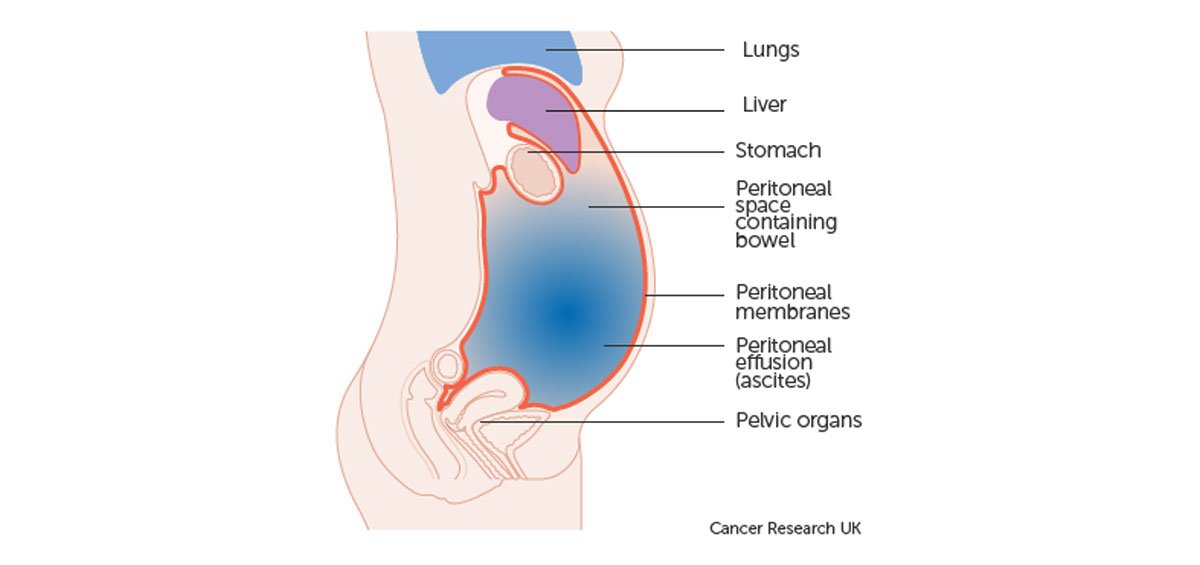
Image Source: https://www.cancerresearchuk.org/about-cancer/coping/physically/fluid-abdomen-ascites/about

What is Ascites?

Ascites occurs when fluid accumulates in the abdomen. This build-up occurs between two membrane layers that together make up the peritoneum, a smooth sac that contains the body’s organs. It is usual to have a small amount of fluid in the peritoneum cavity.

Simply, it is an abnormal collection of water inside the peritoneal cavity (water collection in the abdomen). In the given picture, the blue color inside the lining of red color shows the ascites fluid.

What causes Ascites?

Many underlying diseases can be responsible for causing ascites, including tuberculosis, kidney disease, pancreatitis, and an underactive thyroid. However, the primary causes of ascites are heart failure, liver cirrhosis, and cancer.

What is ascites fluid tapping?

It is removal of excess fluid from the abdominal cavity. It is primarily done for the diagnosis [diagnostic tapping] and also as therapy [ therapeutic tapping] to relieve the symptoms of abdominal discomfort and respiratory distress.

How it is done?

Doctor can put a small tube into the abdomen to drain off the fluid. This reduces the swelling and makes you feel more comfortable. It’s called abdominal paracentesis or an ascitic tap.
Under aseptic precaution and under sonography guidance [ & sometimes blindly] needle is inserted into the abdomen and fluid is aspirated with the syringe and also connected to the tubbing for passive drainage in case of tense ascites.
Draining the fluid relieves symptoms in 9 out of 10 people (90%).
The fluid sometimes builds up again after a while so your doctor might suggest that you have medicines to try to slow the build up.

Image Source: https://www.medicalnewstoday.com/articles/215638.php#early-signs

Image Source: https://en.wikipedia.org/wiki/Ascites

Image Source: https://www.sifsof.com/clinical-apps/paracentesis/

What is the benefit of tapping?

It helps to relieve the symptoms of abdominal distension like difficulty in breathing, pain and bloating sensation.

It makes patient comfortable and improves his mobility and movement.

It gives diagnosis for the formation of the ascites and infection if any.

What is the risk involved in tapping?

Risks associated with an abdominal tap are rare, but the common risks are little trouble in breathing and fluid leakage from the puncture site immediately after the procedure. Other risks include:

  • Fall inn blood pressure, which only occurs if a significant volume of fluid is removed
  • an accidental puncture of a blood vessel, the bowel, or the bladder
  • an acute kidney injury
  • an infection
ascites, kidney injury, Liver Cirrhosis, tapping

askadmin

More posts by askadmin

Related Posts

  • EEG EMG NCS

    By askadmin | 0 comment

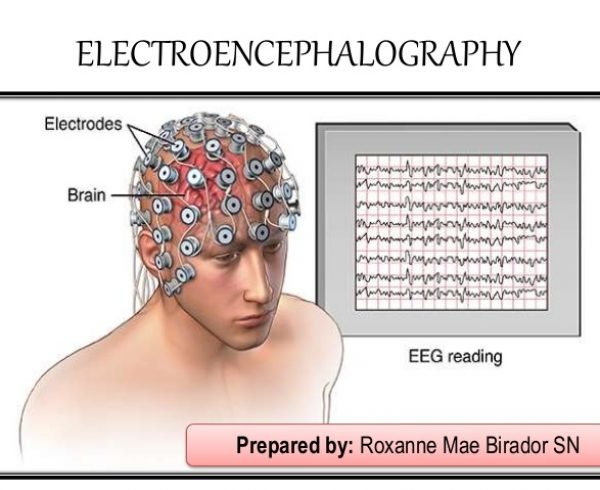
    EEG EMG NCS Image Source: https://www.slideshare.net/RoxMae/electroencephalogram-electroencephalography What is EEG? EEG (Electroencephalopgram) is a test that detects electrical activity in your brain using electrodes placed on the scalp. Why is it done? Brain cells are activeRead more

  • Percutaneous Endoscopic Gastrostomy

    By askadmin | 0 comment

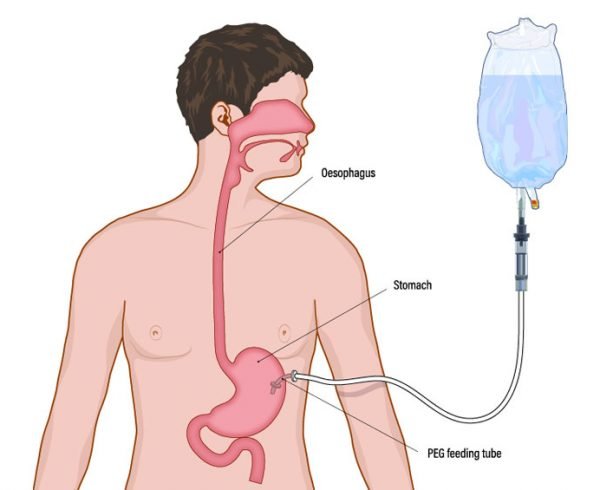
    PERCUTANEOUS ENDOSCOPIC GASTROSTOMY Image Source: https://journals.rcni.com/learning-disability-practice/cpd/percutaneous-endoscopic-gastrostomy-feeding-clinical-knowledge-and-skills-for-learning-disability-nurses-ldp.2019.e1938/abs What is a PEG? PEG stands for percutaneous endoscopic gastrostomy, a procedure where a flexible feeding tube is placed through the abdominal wall and into the stomach. PEG allows nutrition, fluids andRead more

  • Intubation

    By askadmin | 0 comment

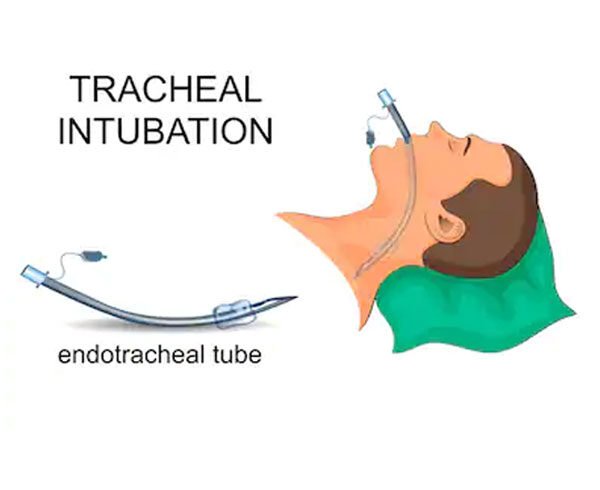
    INTUBATION What is intubation? Intubation is a process of passing a tube into the breathing pipe [endotracheal tube], to facilitate the breathing process. Image Source: https://www.shutterstock.com/search/endotracheal+tube Image Source: https://m.smiths-medical.com/products/airway-management/endotracheal-tubes/cuffed-endotracheal-tubes/endotracheal-tube How it is done? It is mostlyRead more

  • Arterial Blood Gas

    By askadmin | 0 comment

    ARTERIAL BLOOD GAS What is ABG? Image Source: https://nurse.org/articles/arterial-blood-gas-test/ It is arterial blood gas analysis. There are two types of vessels, artery carries oxygen rich blood from the heart to the tissues and vein carriesRead more

  • Bone Marrow Biopsy

    Bone Marrow Biopsy

    By askadmin | 0 comment

    BONE MARROW BIOPSY Image Source: https://www.cancer.gov/publications/dictionaries/cancer-terms/def/bone-marrow-biopsy What is bone marrow examination? It’s a test performed to study the bone marrow. There are two types of test; bone marrow aspiration and biopsy. Bone marrow aspiration meansRead more

Leave a Comment

Your email address will not be published. Required fields are marked *

18 − eighteen =

© 2019 AskIntensivist | All Rights Reserved

Made With By WEBEDP
  • About
    • About Us
    • About Dr. Anand Bhabhor
    • History of ICU
    • Critical Care in Two Tier Cities in India
  • Procedures In ICU
    • Ascites Fluid Tapping
    • Arterial Blood Gas
    • Arterial Line Insertion
    • Bone Marrow Biopsy
    • Bronchoscopy
    • Central Line Insertion
    • Dialysis Port Insertion
    • EEG EMG NCS
    • Foley Catheter Insertion
    • Intubation
    • Lumbar Puncture
    • Percutaneous Endoscopic Gastrostomy
    • Pericardiocentesis
    • Peripheral Catheter Insertion
    • Pleural Fluid Tapping
    • Pulmonary Arterial Catheter Insertion (PA Cath)
    • Ryles Tube Insertion
  • Events In ICU
    • Bedsores (Pressure Ulcer)
    • Collapsed Lung
    • Complications of Immobilization
    • Critical Illness Neuro-Myopathy
    • Stroke
    • Venous Thromboembolism (VTE)
  • Common Care In ICU
    • Physiotherapy
  • Investigations In ICU
    • Digital Subtraction Angiography (DSA)
    • Radiology
  • FAQs
ASKINTENSIVIST