ASKINTENSIVISTASKINTENSIVISTASKINTENSIVISTASKINTENSIVIST
  • About
    • About Us
    • About Dr. Anand Bhabhor
    • History of ICU
    • Critical Care in Two Tier Cities in India
  • Procedures In ICU
    • Ascites Fluid Tapping
    • Arterial Blood Gas
    • Arterial Line Insertion
    • Bone Marrow Biopsy
    • Bronchoscopy
    • Central Line Insertion
    • Dialysis Port Insertion
    • EEG EMG NCS
    • Foley Catheter Insertion
    • Intubation
    • Lumbar Puncture
    • Percutaneous Endoscopic Gastrostomy
    • Pericardiocentesis
    • Peripheral Catheter Insertion
    • Pleural Fluid Tapping
    • Pulmonary Arterial Catheter Insertion (PA Cath)
    • Ryles Tube Insertion
  • Events In ICU
    • Bedsores (Pressure Ulcer)
    • Collapsed Lung
    • Complications of Immobilization
    • Critical Illness Neuro-Myopathy
    • Stroke
    • Venous Thromboembolism (VTE)
  • Common Care In ICU
    • Physiotherapy
  • Investigations In ICU
    • Digital Subtraction Angiography (DSA)
    • Radiology
  • FAQs

Bronchoscopy

By Dr. Nimish Shah | Procedures In ICU | 0 comment | 23 May, 2019 | 0

BRONCHOSCOPY

What is Bronchoscopy?

Bronchoscopy is where a thin tube-like instrument with a camera at its tip is used to examine the breathing passages/tubes of your lungs. The bronchoscope enables the doctor to see inside the breathing passages of your lungs and if required, to take samples of mucus/phlegm or tissue from inside your lungs.

When is a Bronchoscopy required?
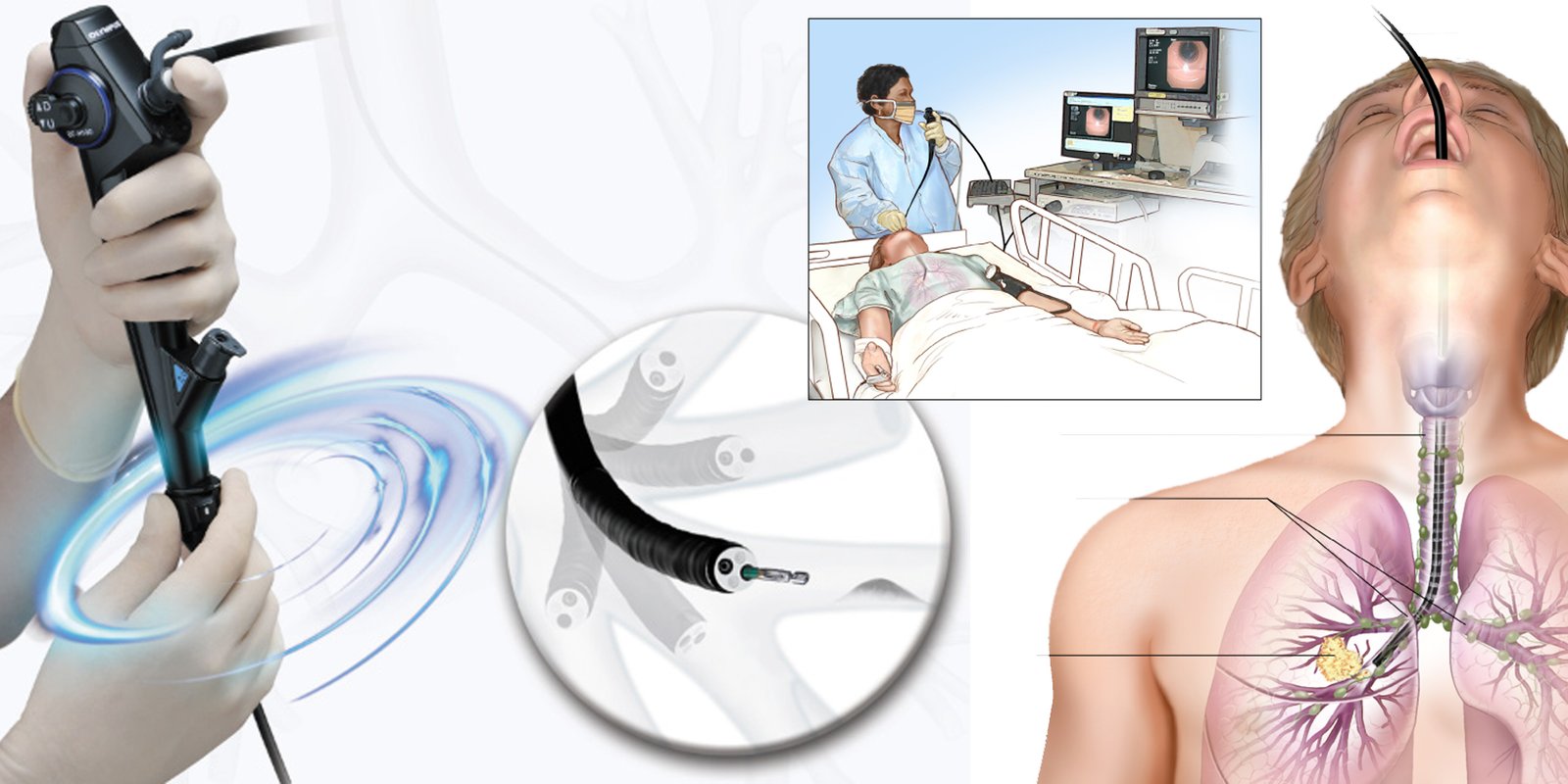
Infection

Bleeding when coughing

Abnormal X-RAY of the Chest or CT Scan where a tissue sample may be required

Non-resolving cough

Removal of foreign body

bronchoscopy-02

https://www.ncbi.nlm.nih.gov/books/NBK65917/figure/CDR0000062956__295/

What happens before a Bronchoscopy?

You will need some blood tests to ensure safety of the procedure

Your doctor will review all your medication, certain medications may have to be stopped prior to the procedure

You will have to be fasting for at least 4 hours

You will need to sign a consent form once you have understood the procedure

You will have your vital signs taken

What happens during the Procedure?

The procedure will be done under local anesthesia, where you will have your nose and throat sprayed with a spray to make then numb.

At certain times some mild sedation may be given, depending on what your doctor deems to be appropriate

You may cough during the procedure, which may make it uncomfortable

What happens after the Procedure?

You will be kept under observation for a short period of time.

Your doctor will come and see you and explain to you and/or your family about the findings

You will be asked not to eat or drink during the observation period

Your medications (if applicable), can be restarted by confirming with your doctor

You will have a follow up given to you with your doctor.

#bronchoscopy, #tubes

Dr. Nimish Shah

(Consultant Chest Physician) | MRCP (UK), MRCP (RESP) CCT - London UK, PG Cert Clin Ed (KCL, London)

More posts by Dr. Nimish Shah

Related Posts

  • EEG EMG NCS

    By askadmin | 0 comment

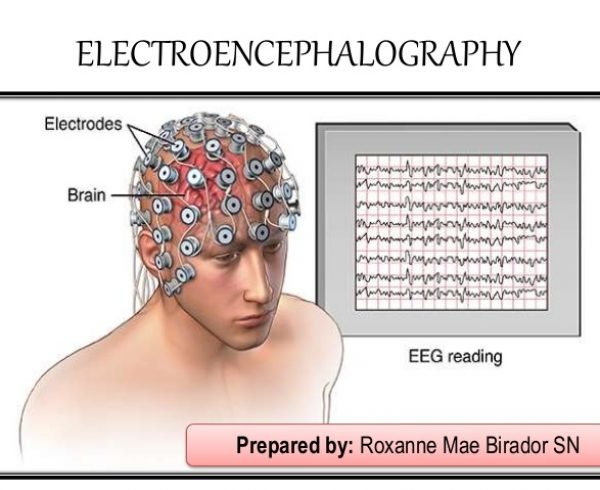
    EEG EMG NCS Image Source: https://www.slideshare.net/RoxMae/electroencephalogram-electroencephalography What is EEG? EEG (Electroencephalopgram) is a test that detects electrical activity in your brain using electrodes placed on the scalp. Why is it done? Brain cells are activeRead more

  • Percutaneous Endoscopic Gastrostomy

    By askadmin | 0 comment

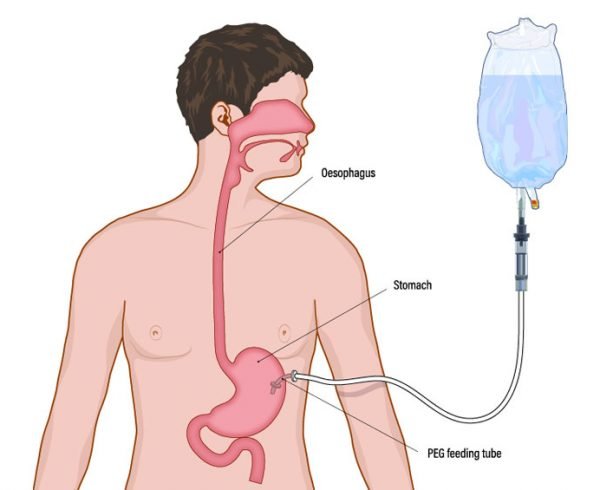
    PERCUTANEOUS ENDOSCOPIC GASTROSTOMY Image Source: https://journals.rcni.com/learning-disability-practice/cpd/percutaneous-endoscopic-gastrostomy-feeding-clinical-knowledge-and-skills-for-learning-disability-nurses-ldp.2019.e1938/abs What is a PEG? PEG stands for percutaneous endoscopic gastrostomy, a procedure where a flexible feeding tube is placed through the abdominal wall and into the stomach. PEG allows nutrition, fluids andRead more

  • Ascites Fluid Tapping

    By askadmin | 0 comment

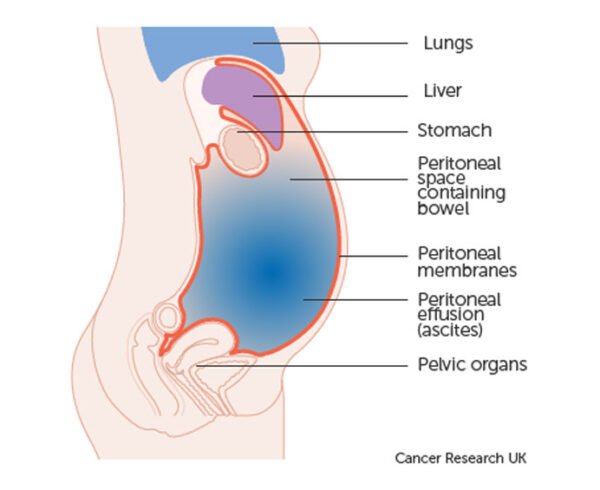
    ASCITES FLUID TAPPING Image Source: https://www.cancerresearchuk.org/about-cancer/coping/physically/fluid-abdomen-ascites/about What is Ascites? Ascites occurs when fluid accumulates in the abdomen. This build-up occurs between two membrane layers that together make up the peritoneum, a smooth sac that containsRead more

  • Intubation

    By askadmin | 0 comment

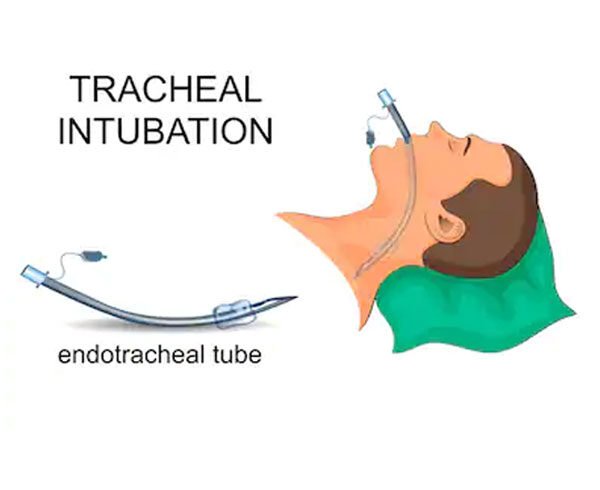
    INTUBATION What is intubation? Intubation is a process of passing a tube into the breathing pipe [endotracheal tube], to facilitate the breathing process. Image Source: https://www.shutterstock.com/search/endotracheal+tube Image Source: https://m.smiths-medical.com/products/airway-management/endotracheal-tubes/cuffed-endotracheal-tubes/endotracheal-tube How it is done? It is mostlyRead more

  • Arterial Blood Gas

    By askadmin | 0 comment

    ARTERIAL BLOOD GAS What is ABG? Image Source: https://nurse.org/articles/arterial-blood-gas-test/ It is arterial blood gas analysis. There are two types of vessels, artery carries oxygen rich blood from the heart to the tissues and vein carriesRead more

Leave a Comment

Your email address will not be published. Required fields are marked *

15 − fourteen =

© 2019 AskIntensivist | All Rights Reserved

Made With By WEBEDP
  • About
    • About Us
    • About Dr. Anand Bhabhor
    • History of ICU
    • Critical Care in Two Tier Cities in India
  • Procedures In ICU
    • Ascites Fluid Tapping
    • Arterial Blood Gas
    • Arterial Line Insertion
    • Bone Marrow Biopsy
    • Bronchoscopy
    • Central Line Insertion
    • Dialysis Port Insertion
    • EEG EMG NCS
    • Foley Catheter Insertion
    • Intubation
    • Lumbar Puncture
    • Percutaneous Endoscopic Gastrostomy
    • Pericardiocentesis
    • Peripheral Catheter Insertion
    • Pleural Fluid Tapping
    • Pulmonary Arterial Catheter Insertion (PA Cath)
    • Ryles Tube Insertion
  • Events In ICU
    • Bedsores (Pressure Ulcer)
    • Collapsed Lung
    • Complications of Immobilization
    • Critical Illness Neuro-Myopathy
    • Stroke
    • Venous Thromboembolism (VTE)
  • Common Care In ICU
    • Physiotherapy
  • Investigations In ICU
    • Digital Subtraction Angiography (DSA)
    • Radiology
  • FAQs
ASKINTENSIVIST