ASKINTENSIVISTASKINTENSIVISTASKINTENSIVISTASKINTENSIVIST
  • About
    • About Us
    • About Dr. Anand Bhabhor
    • History of ICU
    • Critical Care in Two Tier Cities in India
  • Procedures In ICU
    • Ascites Fluid Tapping
    • Arterial Blood Gas
    • Arterial Line Insertion
    • Bone Marrow Biopsy
    • Bronchoscopy
    • Central Line Insertion
    • Dialysis Port Insertion
    • EEG EMG NCS
    • Foley Catheter Insertion
    • Intubation
    • Lumbar Puncture
    • Percutaneous Endoscopic Gastrostomy
    • Pericardiocentesis
    • Peripheral Catheter Insertion
    • Pleural Fluid Tapping
    • Pulmonary Arterial Catheter Insertion (PA Cath)
    • Ryles Tube Insertion
  • Events In ICU
    • Bedsores (Pressure Ulcer)
    • Collapsed Lung
    • Complications of Immobilization
    • Critical Illness Neuro-Myopathy
    • Stroke
    • Venous Thromboembolism (VTE)
  • Common Care In ICU
    • Physiotherapy
  • Investigations In ICU
    • Digital Subtraction Angiography (DSA)
    • Radiology
  • FAQs

Physiotherapy

By Dr. Usha Kasare | Common Care In ICU | 0 comment | 23 May, 2019 | 7

PHYSIOTHERAPY IN ICU

What is the Role of Physiotherapy in ICU?

The ICU is a dynamic interprofessional environment where Physiotherapists assess, treat and manage respiratory conditions, and mobility issues and rehabilitate critically ill patients.

Physiotherapist is involved in specific patient positioning, suctioning, mobilization including ambulation and airway clearance techniques.

The role of Physiotherapy in ICU is split into two broad areas:

Respiratory care

Rehabilitation
Why Physiotherapy is Given in ICU?

Physiotherapy initiated in ICU improves patient’s functional status, physical wellbeing and quality of life.

Early mobility in ICU by Physiotherapist is safe, reduces length of stay in ICU & decreased overall hospital stay and cost of hospitalization.

Complications associated with a stay in ICU, such as respiratory infections, pneumonia, myopathy, deconditioning & contractures, can be prevented by early Physiotherapy intervention.

Respiratory care of ventilated patients by Physiotherapist helps in early weaning from ventilator.

Physiotherapy intervention in ICU is highly cost effective and reduces burden on acute care services.

How Physiotherapy is Given in ICU?

Respiratory Care:

Positioning should be an integral part in ICU respiratory care. Simply turning from supine to side lying can open up collapse lung & improve arterial oxygenation. A 2 hourly position change has been recommended.

Postural drainage is thought to use gravity to assist drainage of secretions. Patients are positioned accordingly the area of lung to be drained.

Percussion & vibration are performed by hands in postural drainage position. They aim to loose secretions from the airways wall.

Effective coughing can be assisted by Physiotherapist to remove secretions.

Suctioning may be required to clear secretions for patients who are semiconscious, on ventilator.

Breathing retraining helps in weaning patients from ventilator. Breathing exercises & Incentive spirometer can help to improve breathing capacity in conscious patients.

Rehabilitation:

Bed mobility (active or passive) exercises can be started to patients who are confined to bed.

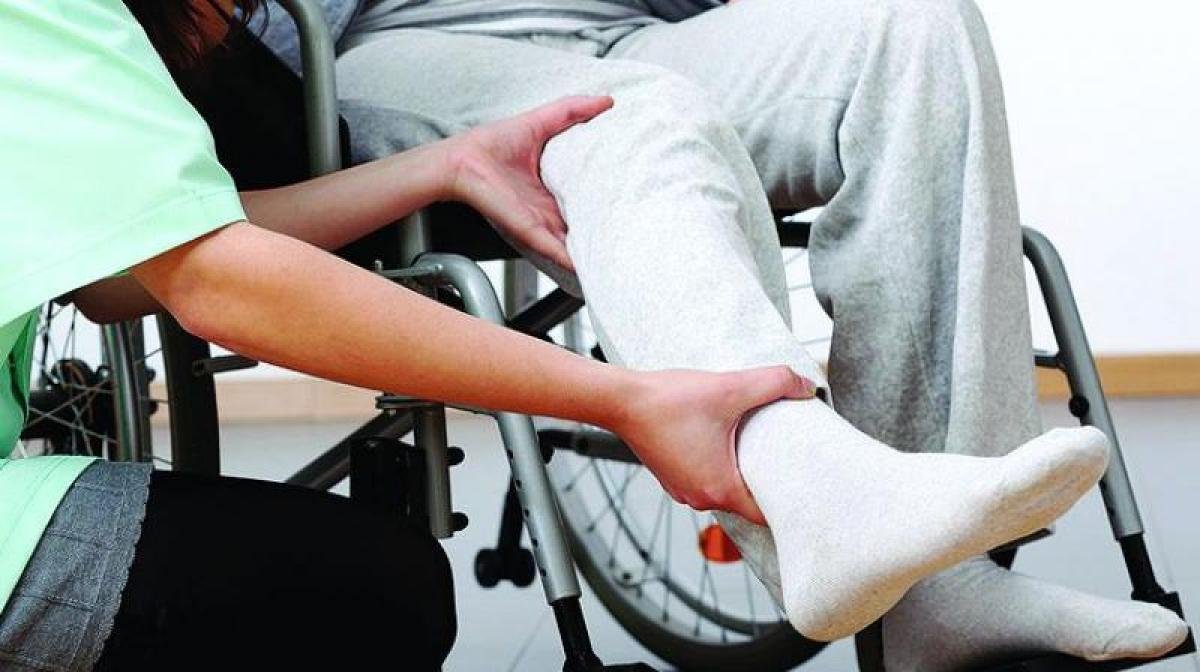
Passive stretching & splinting to hands & feet helps to prevent contractures & joint stiffness.

Resistance training of arm & leg muscles helps to improve muscle strength & function.

Side sitting – Patient needs to spend more time in sitting with their legs dangling over the edge of bed to improve postural control.

Transfer training – Patient needs to mobilize more often from bed to chair. An attempt should be made to stand & walk all patients for whom there is no contraindication such as cardiovascular instability.

Walking should be brief to prevent fatigue with or without walker. Patient who are unable to walk can be mobilized on wheelchair. Early mobilization helps in faster discharge from ICU.

What if Physiotherapy is not Given in ICU?

Physical inactivity leads to deconditioning which causes muscle atrophy & weakness.

Respiratory muscle weakness due to prolonged mechanical ventilation.

Weaning failure.

Pressure sores, bed sores.

Deep vein thrombosis.

Compromised respiratory function like chest infection, pneumonia, lung collapse.

Prolonged length of stay in ICU.

Increased cost of hospitalization.

#physiotherapy, #rehabilitation, #respiratory-care

Dr. Usha Kasare

M.P.Th [Cardiorespiratory Sciences]

More posts by Dr. Usha Kasare

Related Posts

  • History of ICU

    By Dr. Varun Deshmukh | 0 comment

    INTRODUCTION AND HISTORY To better understand the present scenario and practices in Critical Care medicine in India, we need to first understand the history and evolution of the specialty over period of time. The conceptRead more

  • Critical Care in Two Tier Cities in India

    By Dr. Vaibhav Bhargav | 0 comment

    CURRENT STATUS OF CRITICAL CAREin Two-Tier Cities of India Intensive Care Unit (ICU) Intensive Care Medicine or critical care medicine is a branch of medicine concerned with the provision of life support or organ supportRead more

  • Digital Subtraction Angiography (DSA)

    By askadmin | 0 comment

    DIGITAL SUBTRACTION ANGIOGRAPHY (DSA) WHAT IS DSA? Digital Subtraction Angiography (D.S.A.) is a fluoroscopy-guided technique in the speciality of Interventional Radiology (IR), to diagnose and treat various diseases of the blood vessels of the humanRead more

  • Radiology

    By Dr. Shraddha Sinhasan | 0 comment

    RADIOLOGY IMAGING IN ICU SET-UP Radiological imaging is an integral part of management in ICU set up. The commonly used modalities are X Ray, USG, CT scan and MRI. X- Ray or Rhontgenogram Image Source:Read more

  • Bronchoscopy

    By Dr. Nimish Shah | 0 comment

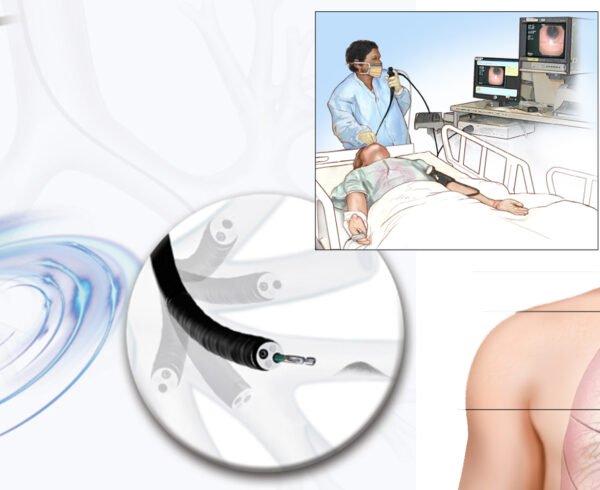
    BRONCHOSCOPY What is Bronchoscopy? Bronchoscopy is where a thin tube-like instrument with a camera at its tip is used to examine the breathing passages/tubes of your lungs. The bronchoscope enables the doctor to see insideRead more

  • Central Line Insertion

    By Dr. Pinank Pandya | 0 comment

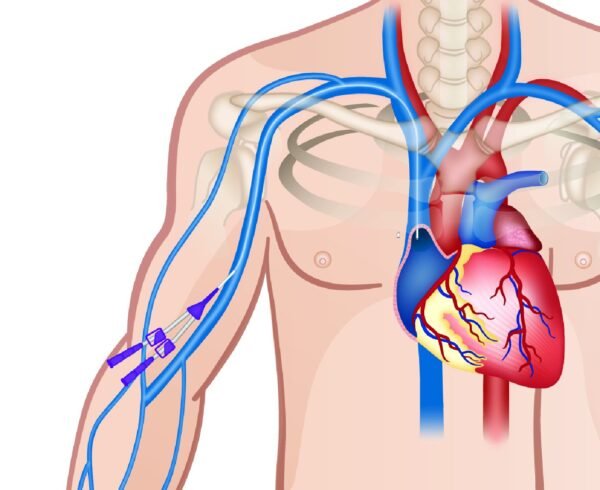
    CENTRAL LINE INSERTION What is Central Line Insertion? Image Source: https://www.aboutkidshealth.ca/CVL A central line is a conduit or intravenous access which can be inserted into a large Central vein. The most probable sites are TheRead more

  • Dialysis Port Insertion

    By Dr. Pinank Pandya | 0 comment

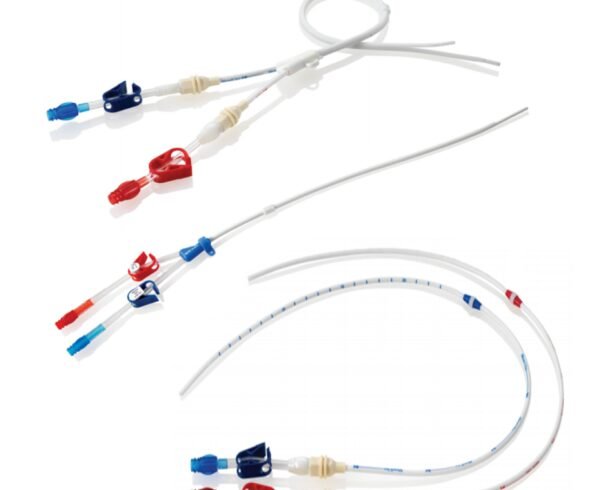
    DIALYSIS PORT INSERTION Hemodialysis Catheter Insertion (HD Port) HD port or catheter is a conduit or intravenous access which can be inserted into a large Central vein mainly for the purpose of hemodialysis. The mostRead more

  • Pleural Fluid Tapping

    By Dr. Nimish Shah | 0 comment

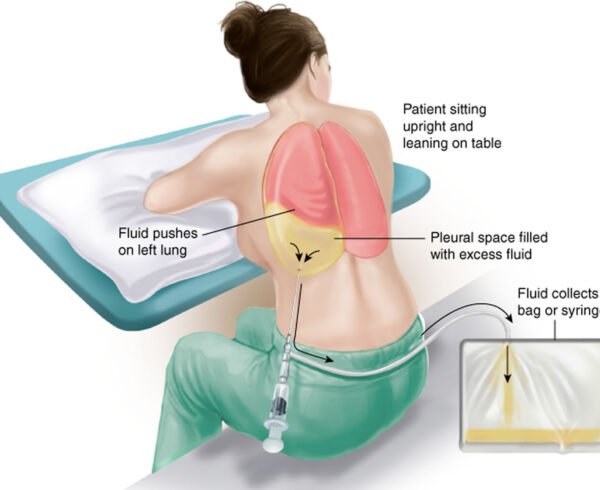
    PLEURAL FLUID TAPPING Pleural Fluid Tapping / Thoracocentesis / Pleural Aspiration Image Source: https://www.slideshare.net/rongon28us/thorax-pleura This is a procedure to remove fluid from the space between the lining of the outside of the lungs (pleura) andRead more

Leave a Comment

Your email address will not be published. Required fields are marked *

three × 1 =

© 2019 AskIntensivist | All Rights Reserved

Made With By WEBEDP
  • About
    • About Us
    • About Dr. Anand Bhabhor
    • History of ICU
    • Critical Care in Two Tier Cities in India
  • Procedures In ICU
    • Ascites Fluid Tapping
    • Arterial Blood Gas
    • Arterial Line Insertion
    • Bone Marrow Biopsy
    • Bronchoscopy
    • Central Line Insertion
    • Dialysis Port Insertion
    • EEG EMG NCS
    • Foley Catheter Insertion
    • Intubation
    • Lumbar Puncture
    • Percutaneous Endoscopic Gastrostomy
    • Pericardiocentesis
    • Peripheral Catheter Insertion
    • Pleural Fluid Tapping
    • Pulmonary Arterial Catheter Insertion (PA Cath)
    • Ryles Tube Insertion
  • Events In ICU
    • Bedsores (Pressure Ulcer)
    • Collapsed Lung
    • Complications of Immobilization
    • Critical Illness Neuro-Myopathy
    • Stroke
    • Venous Thromboembolism (VTE)
  • Common Care In ICU
    • Physiotherapy
  • Investigations In ICU
    • Digital Subtraction Angiography (DSA)
    • Radiology
  • FAQs
ASKINTENSIVIST