ASKINTENSIVISTASKINTENSIVISTASKINTENSIVISTASKINTENSIVIST
  • About
    • About Us
    • About Dr. Anand Bhabhor
    • History of ICU
    • Critical Care in Two Tier Cities in India
  • Procedures In ICU
    • Ascites Fluid Tapping
    • Arterial Blood Gas
    • Arterial Line Insertion
    • Bone Marrow Biopsy
    • Bronchoscopy
    • Central Line Insertion
    • Dialysis Port Insertion
    • EEG EMG NCS
    • Foley Catheter Insertion
    • Intubation
    • Lumbar Puncture
    • Percutaneous Endoscopic Gastrostomy
    • Pericardiocentesis
    • Peripheral Catheter Insertion
    • Pleural Fluid Tapping
    • Pulmonary Arterial Catheter Insertion (PA Cath)
    • Ryles Tube Insertion
  • Events In ICU
    • Bedsores (Pressure Ulcer)
    • Collapsed Lung
    • Complications of Immobilization
    • Critical Illness Neuro-Myopathy
    • Stroke
    • Venous Thromboembolism (VTE)
  • Common Care In ICU
    • Physiotherapy
  • Investigations In ICU
    • Digital Subtraction Angiography (DSA)
    • Radiology
  • FAQs

Percutaneous Endoscopic Gastrostomy

By askadmin | Procedures In ICU | 0 comment | 19 January, 2020 | 0

PERCUTANEOUS ENDOSCOPIC GASTROSTOMY
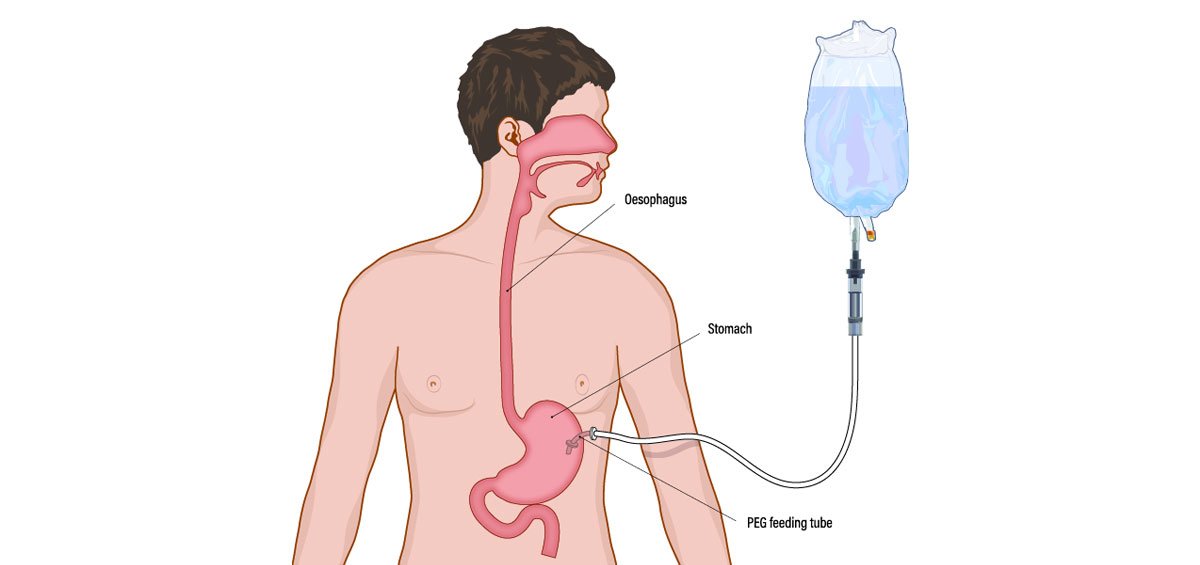
Image Source: https://journals.rcni.com/learning-disability-practice/cpd/percutaneous-endoscopic-gastrostomy-feeding-clinical-knowledge-and-skills-for-learning-disability-nurses-ldp.2019.e1938/abs

What is a PEG?

PEG stands for percutaneous endoscopic gastrostomy, a procedure where a flexible feeding tube is placed through the abdominal wall and into the stomach. PEG allows nutrition, fluids and medications to be put directly into the stomach, bypassing the mouth and oesophagus.

How is the PEG performed?

It is usually done in the endoscopy department and if the facility available than it can be done bedside also. Patient is sedated of the procedure. It is performed by the Endoscopist. Endoscope is inserted into the oesophagus through the mouth and passed into the stomach. After choosing an appropriate site, catheter is inserted into the stomach over the guidewire. Once procedure is over, patient is usually kept Nil by mouth for 24 hours and then feeds are started gradually. First liquids are started, once there is no problem than full feeds can be started.

Why PEG is done?

The purpose of PEG is to provide the nutrition and medicine to the patients who have difficulty swallowing, problems with their appetite or an inability to take adequate nutrition through the mouth can benefit from this procedure.

Indications:

  • Alzheimer’s disease
  • Advanced Parkinson’s disease
  • CV stroke
  • Oral cancer or oesophageal cancer
  • Motor neuron diseases
  • Hypoxic brain injury

Usually the nasogastric tube is inserted when it is used for short duration. When there is long term need, percutaneous endoscopic gastrostomy tube is inserted

How to care for the PEG tube?

A dressing is usually placed on the PEG site following the procedure. This dressing is usually removed after one or two days. After that the PEG site has to be clean once a day with diluted soap and water and keep the site dry between cleansings. No special dressing or covering is needed.

Image Source: https://www.mskcc.org/cancer-care/patient-education/peg-pej-tube-feeding

How to care for the PEG tube?

A dressing is usually placed on the PEG site following the procedure. This dressing is usually removed after one or two days. After that the PEG site has to be clean once a day with diluted soap and water and keep the site dry between cleansings. No special dressing or covering is needed.

What kind of feedings is given?

Specialized liquid nutrition, as well as fluids, are given through the PEG tube. The feed can be prepared at home and given as per the instruction of the physician. Puree feeds, formula feeds and any kind of liquids can be given as nutrition. Medicine also given through the tubes.

What are the complications from PEG placement?

Complications can occur with the PEG placement. Possible complications include pain at the PEG site, leakage of stomach contents around the tube site, and dislodgment or malfunction of the tube. Possible complications include infection of the PEG site, aspiration (inhalation of gastric contents into the lungs), bleeding and perforation (an unwanted hole in the bowel wall). Your doctor can describe for you symptoms that could indicate a possible complication.

How long do these tubes last? How are they removed?

PEG tubes can last for months or years. However, because they can break down or become clogged over extended periods of time, they might need to be replaced. Doctor can easily remove or replace a tube without sedatives or anesthesia, although doctor might opt to use sedation and endoscopy in some cases. Doctor will remove the tube using firm traction and will either insert a new tube or let the opening close if no replacement is needed. PEG sites close quickly once the tube is removed, so accidental dislodgment requires immediate attention.


Alzheimers, CV stroke, Hypoxic brain injury, PEG, percutaneous endoscopic gastrostomy

askadmin

More posts by askadmin

Related Posts

  • EEG EMG NCS

    By askadmin | 0 comment

    EEG EMG NCS Image Source: https://www.slideshare.net/RoxMae/electroencephalogram-electroencephalography What is EEG? EEG (Electroencephalopgram) is a test that detects electrical activity in your brain using electrodes placed on the scalp. Why is it done? Brain cells are activeRead more

  • Ascites Fluid Tapping

    By askadmin | 0 comment

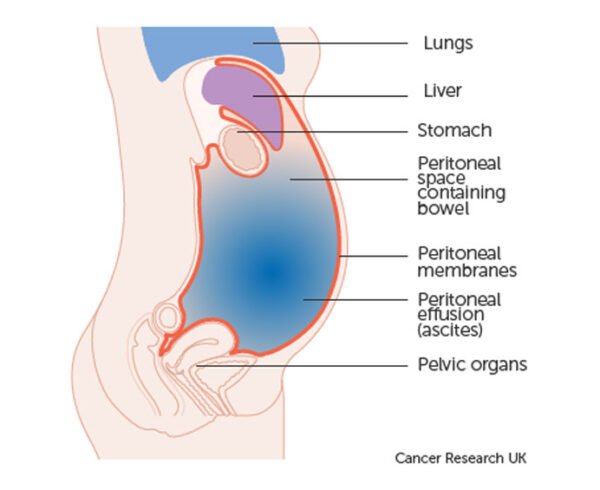
    ASCITES FLUID TAPPING Image Source: https://www.cancerresearchuk.org/about-cancer/coping/physically/fluid-abdomen-ascites/about What is Ascites? Ascites occurs when fluid accumulates in the abdomen. This build-up occurs between two membrane layers that together make up the peritoneum, a smooth sac that containsRead more

  • Intubation

    By askadmin | 0 comment

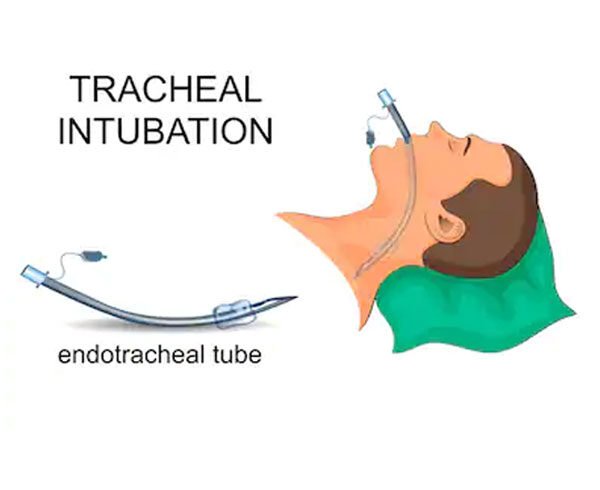
    INTUBATION What is intubation? Intubation is a process of passing a tube into the breathing pipe [endotracheal tube], to facilitate the breathing process. Image Source: https://www.shutterstock.com/search/endotracheal+tube Image Source: https://m.smiths-medical.com/products/airway-management/endotracheal-tubes/cuffed-endotracheal-tubes/endotracheal-tube How it is done? It is mostlyRead more

  • Arterial Blood Gas

    By askadmin | 0 comment

    ARTERIAL BLOOD GAS What is ABG? Image Source: https://nurse.org/articles/arterial-blood-gas-test/ It is arterial blood gas analysis. There are two types of vessels, artery carries oxygen rich blood from the heart to the tissues and vein carriesRead more

  • Bone Marrow Biopsy

    Bone Marrow Biopsy

    By askadmin | 0 comment

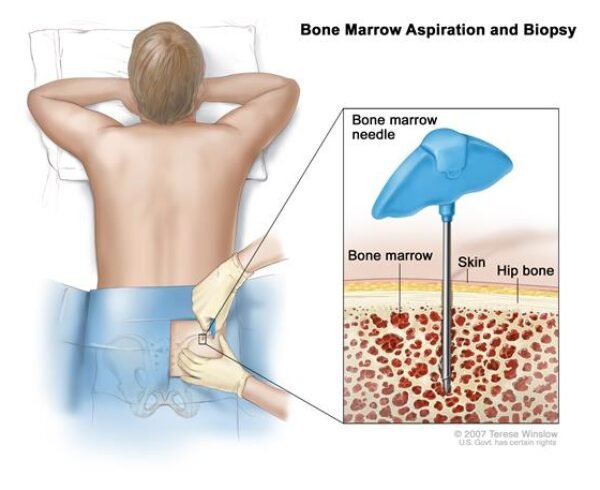
    BONE MARROW BIOPSY Image Source: https://www.cancer.gov/publications/dictionaries/cancer-terms/def/bone-marrow-biopsy What is bone marrow examination? It’s a test performed to study the bone marrow. There are two types of test; bone marrow aspiration and biopsy. Bone marrow aspiration meansRead more

Leave a Comment

Your email address will not be published. Required fields are marked *

nineteen − eighteen =

© 2019 AskIntensivist | All Rights Reserved

Made With By WEBEDP
  • About
    • About Us
    • About Dr. Anand Bhabhor
    • History of ICU
    • Critical Care in Two Tier Cities in India
  • Procedures In ICU
    • Ascites Fluid Tapping
    • Arterial Blood Gas
    • Arterial Line Insertion
    • Bone Marrow Biopsy
    • Bronchoscopy
    • Central Line Insertion
    • Dialysis Port Insertion
    • EEG EMG NCS
    • Foley Catheter Insertion
    • Intubation
    • Lumbar Puncture
    • Percutaneous Endoscopic Gastrostomy
    • Pericardiocentesis
    • Peripheral Catheter Insertion
    • Pleural Fluid Tapping
    • Pulmonary Arterial Catheter Insertion (PA Cath)
    • Ryles Tube Insertion
  • Events In ICU
    • Bedsores (Pressure Ulcer)
    • Collapsed Lung
    • Complications of Immobilization
    • Critical Illness Neuro-Myopathy
    • Stroke
    • Venous Thromboembolism (VTE)
  • Common Care In ICU
    • Physiotherapy
  • Investigations In ICU
    • Digital Subtraction Angiography (DSA)
    • Radiology
  • FAQs
ASKINTENSIVIST