ASKINTENSIVISTASKINTENSIVISTASKINTENSIVISTASKINTENSIVIST
  • About
    • About Us
    • About Dr. Anand Bhabhor
    • History of ICU
    • Critical Care in Two Tier Cities in India
  • Procedures In ICU
    • Ascites Fluid Tapping
    • Arterial Blood Gas
    • Arterial Line Insertion
    • Bone Marrow Biopsy
    • Bronchoscopy
    • Central Line Insertion
    • Dialysis Port Insertion
    • EEG EMG NCS
    • Foley Catheter Insertion
    • Intubation
    • Lumbar Puncture
    • Percutaneous Endoscopic Gastrostomy
    • Pericardiocentesis
    • Peripheral Catheter Insertion
    • Pleural Fluid Tapping
    • Pulmonary Arterial Catheter Insertion (PA Cath)
    • Ryles Tube Insertion
  • Events In ICU
    • Bedsores (Pressure Ulcer)
    • Collapsed Lung
    • Complications of Immobilization
    • Critical Illness Neuro-Myopathy
    • Stroke
    • Venous Thromboembolism (VTE)
  • Common Care In ICU
    • Physiotherapy
  • Investigations In ICU
    • Digital Subtraction Angiography (DSA)
    • Radiology
  • FAQs

EEG EMG NCS

By askadmin | Procedures In ICU | 0 comment | 20 January, 2020 | 0

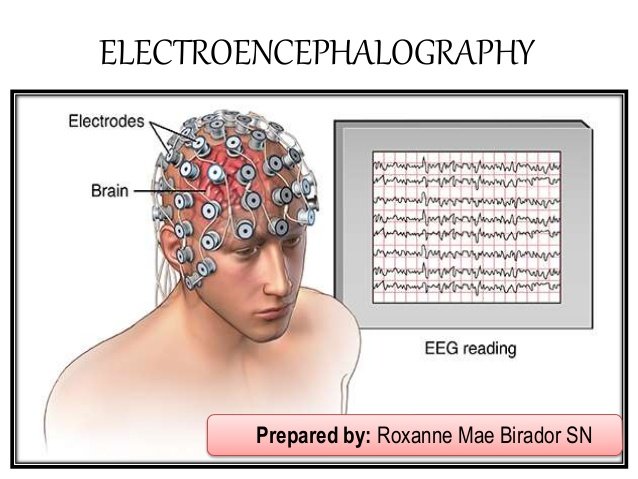
EEG EMG NCS

Image Source: https://www.slideshare.net/RoxMae/electroencephalogram-electroencephalography

What is EEG?

EEG (Electroencephalopgram) is a test that detects electrical activity in your brain using electrodes placed on the scalp.

Why is it done?

Brain cells are active all the time. These appear as wavy lines in the EEG record just like an ECG (Electrocardiogram) records the activity of the heart.

EEG test may be considered if a patient has fits, unexplained unconsciousness, to assess brain damage, etc

How is it done?

During an EEG, a technician identifies the spots for placement of electrodes and cleans these spots with a cream. Then using a special adhesive paste, the technician attaches the electrode discs on these spots. These discs are connected by wires to the computer equipment which records, amplifies and displays the brain waves.

How does EEG help?

It is useful in a variety of neurological problems ranging from seizures, coma to stroke.

What is EMG and NCS?

Electromyography (EMG) is a test used to study the function of muscles. It is often performed with another test, the NCS (Nerve Conduction Study) which measures how well the signals travel along a nerve.

Why is it done?

EMG and NCS may be considered if a patient has weakness, tingling, numbness, muscle pain, muscle twitching, droopy eyelids, double vision, etc.

Image Source: https://drjohnshannonalaska.com/emg-nerve-conduction-studies/

How is EMG done?

A needle is inserted in the muscle during a needle EMG. The needle is connected by a wire cable to equipment. The needle contains electrodes which pick up signals from the muscle and these are translated into audio, visual and graphical data on a computer for specialist interpretation. The number of muscles tested depends on the type of problem being evaluated.

How is NCS done?

A hand held device delivers electric pulses to the nerve at different sites along its path. The resulting electrical activity is recorded by surface electrodes (similar to that used for ECG) placed on the surface of the skin at different places along the nerve path. The information is displayed on a computer screen like in EMG for specialist interpretation. The number of nerves tested depends on the type of problem being evaluated.

How does it help?

It is useful to diagnose or rule out conditions such as critical illness neuromyopathy, guillain barre syndrome, myasthenia gravis, polymyositis, motor neuron disease.

EEG, Electroencephalopgram, Electromyography, EMG, NCV, Nerve Conduction Study

askadmin

More posts by askadmin

Related Posts

  • Percutaneous Endoscopic Gastrostomy

    By askadmin | 0 comment

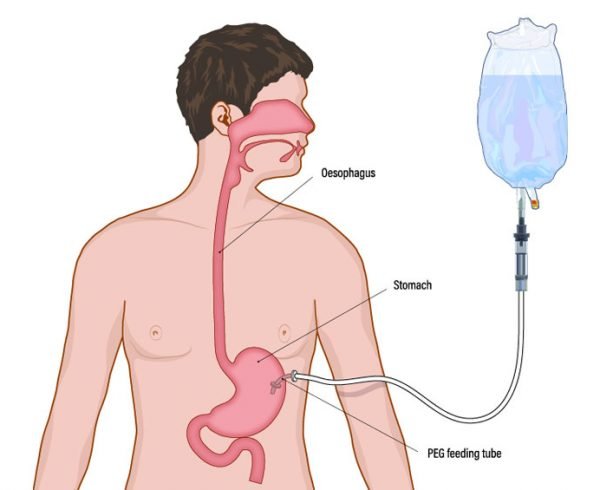
    PERCUTANEOUS ENDOSCOPIC GASTROSTOMY Image Source: https://journals.rcni.com/learning-disability-practice/cpd/percutaneous-endoscopic-gastrostomy-feeding-clinical-knowledge-and-skills-for-learning-disability-nurses-ldp.2019.e1938/abs What is a PEG? PEG stands for percutaneous endoscopic gastrostomy, a procedure where a flexible feeding tube is placed through the abdominal wall and into the stomach. PEG allows nutrition, fluids andRead more

  • Ascites Fluid Tapping

    By askadmin | 0 comment

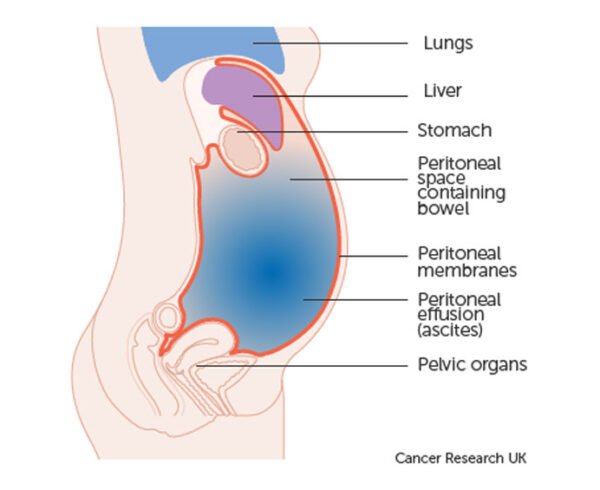
    ASCITES FLUID TAPPING Image Source: https://www.cancerresearchuk.org/about-cancer/coping/physically/fluid-abdomen-ascites/about What is Ascites? Ascites occurs when fluid accumulates in the abdomen. This build-up occurs between two membrane layers that together make up the peritoneum, a smooth sac that containsRead more

  • Intubation

    By askadmin | 0 comment

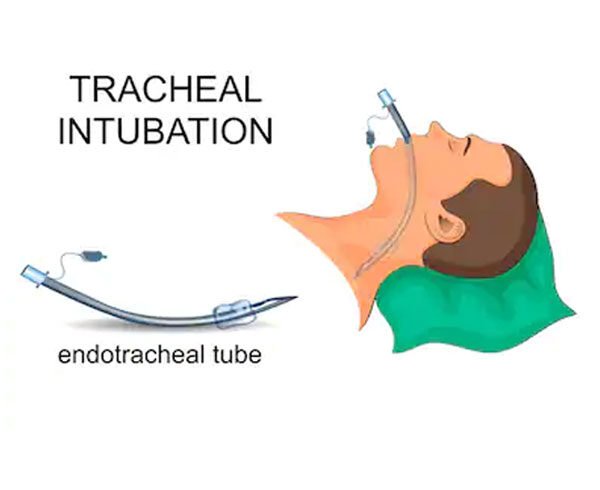
    INTUBATION What is intubation? Intubation is a process of passing a tube into the breathing pipe [endotracheal tube], to facilitate the breathing process. Image Source: https://www.shutterstock.com/search/endotracheal+tube Image Source: https://m.smiths-medical.com/products/airway-management/endotracheal-tubes/cuffed-endotracheal-tubes/endotracheal-tube How it is done? It is mostlyRead more

  • Arterial Blood Gas

    By askadmin | 0 comment

    ARTERIAL BLOOD GAS What is ABG? Image Source: https://nurse.org/articles/arterial-blood-gas-test/ It is arterial blood gas analysis. There are two types of vessels, artery carries oxygen rich blood from the heart to the tissues and vein carriesRead more

  • Bone Marrow Biopsy

    Bone Marrow Biopsy

    By askadmin | 0 comment

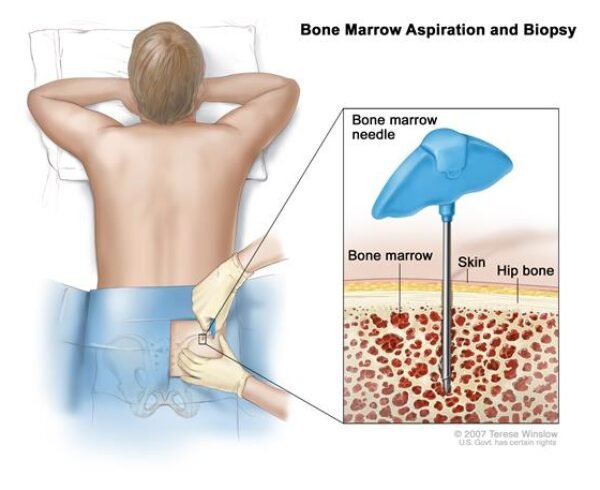
    BONE MARROW BIOPSY Image Source: https://www.cancer.gov/publications/dictionaries/cancer-terms/def/bone-marrow-biopsy What is bone marrow examination? It’s a test performed to study the bone marrow. There are two types of test; bone marrow aspiration and biopsy. Bone marrow aspiration meansRead more

Leave a Comment

Your email address will not be published. Required fields are marked *

one × 3 =

© 2019 AskIntensivist | All Rights Reserved

Made With By WEBEDP
  • About
    • About Us
    • About Dr. Anand Bhabhor
    • History of ICU
    • Critical Care in Two Tier Cities in India
  • Procedures In ICU
    • Ascites Fluid Tapping
    • Arterial Blood Gas
    • Arterial Line Insertion
    • Bone Marrow Biopsy
    • Bronchoscopy
    • Central Line Insertion
    • Dialysis Port Insertion
    • EEG EMG NCS
    • Foley Catheter Insertion
    • Intubation
    • Lumbar Puncture
    • Percutaneous Endoscopic Gastrostomy
    • Pericardiocentesis
    • Peripheral Catheter Insertion
    • Pleural Fluid Tapping
    • Pulmonary Arterial Catheter Insertion (PA Cath)
    • Ryles Tube Insertion
  • Events In ICU
    • Bedsores (Pressure Ulcer)
    • Collapsed Lung
    • Complications of Immobilization
    • Critical Illness Neuro-Myopathy
    • Stroke
    • Venous Thromboembolism (VTE)
  • Common Care In ICU
    • Physiotherapy
  • Investigations In ICU
    • Digital Subtraction Angiography (DSA)
    • Radiology
  • FAQs
ASKINTENSIVIST