ASKINTENSIVISTASKINTENSIVISTASKINTENSIVISTASKINTENSIVIST
  • About
    • About Us
    • About Dr. Anand Bhabhor
    • History of ICU
    • Critical Care in Two Tier Cities in India
  • Procedures In ICU
    • Ascites Fluid Tapping
    • Arterial Blood Gas
    • Arterial Line Insertion
    • Bone Marrow Biopsy
    • Bronchoscopy
    • Central Line Insertion
    • Dialysis Port Insertion
    • EEG EMG NCS
    • Foley Catheter Insertion
    • Intubation
    • Lumbar Puncture
    • Percutaneous Endoscopic Gastrostomy
    • Pericardiocentesis
    • Peripheral Catheter Insertion
    • Pleural Fluid Tapping
    • Pulmonary Arterial Catheter Insertion (PA Cath)
    • Ryles Tube Insertion
  • Events In ICU
    • Bedsores (Pressure Ulcer)
    • Collapsed Lung
    • Complications of Immobilization
    • Critical Illness Neuro-Myopathy
    • Stroke
    • Venous Thromboembolism (VTE)
  • Common Care In ICU
    • Physiotherapy
  • Investigations In ICU
    • Digital Subtraction Angiography (DSA)
    • Radiology
  • FAQs
ryles-tube-insertion-02

Ryles Tube Insertion

By askadmin | Procedures In ICU | 0 comment | 28 August, 2019 | 0

RYLES TUBE INSERTION
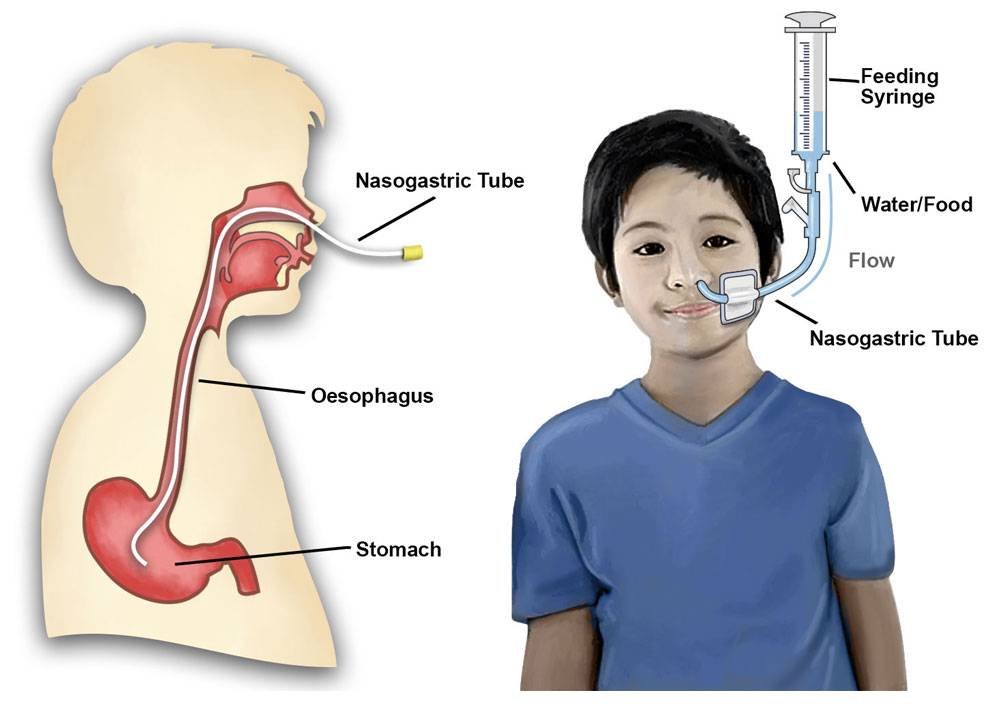
ryles-tube-insertion-02

Image Source: https://www.gillettechildrens.org/your-visit/patient-education/using-a-nasogastric-tube

What is Ryles Tube ?

It is also called as nasogastric tube. It is a tube passed through the nostril into the stomach via an esophagus. It is available in various size. There is also an different type of nasogastric tube called as Freka tube, which is used for similar function.

Why it is used?

It is used to feed the patient when patient can’t take feed orally.
It is also used to give stomach wash in case of poisoning.

How it is inserted?

Patient is kept in supine position with 30-45 degree propped up position. If patient is awake than he is asked to do swallowing like action during the tube insertion so tube can directed go into the esophagus and then into the stomach.

When patient is not awake than the tube is inserted directly into the one of the nostril and then gradually advanced so that it passes through the esophagus.

Sometimes it is difficult to pass the tube than its passed with the help of magill’s forcep during layngoscopy in a sedated patient.

Many a times in a conscious patients , it is difficult to put the ryle’s tube. In such cases if the tube insertion is necessary than it is kept under endoscopy guidance.

Once the ryle’s tube is inserted , it’s position is confirmed by auscultation and also by x ray chest. Once the position of the ryle’s tube is confirmed than the feeding is started.

ryles-tube-insertion-01

Image Source: https://www.aboutkidshealth.ca/Article?contentid=984&language=English

What is the risk involved in the procedure?

Most of the time it is a safe procedure. Though it carries risk of false passage into the lung, coiling in the oropharynx and very rarely it can cause pneumothorax. Most of the complications are deal easily except in the case of pneumothorax, icd is warranted to relieve the air.

freka tube, nasogastric tube, Ryles tube

askadmin

More posts by askadmin

Related Posts

  • EEG EMG NCS

    By askadmin | 0 comment

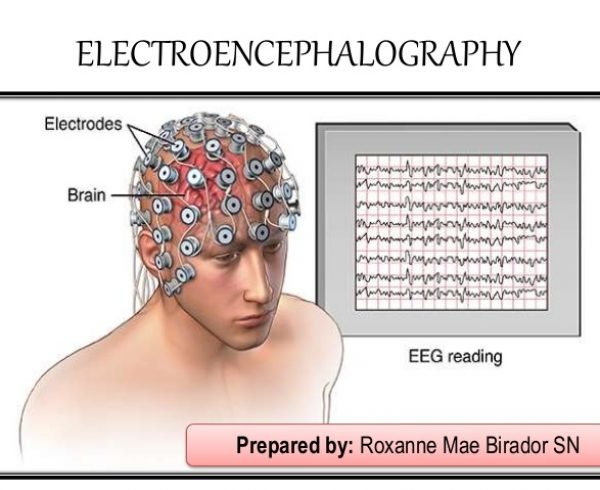
    EEG EMG NCS Image Source: https://www.slideshare.net/RoxMae/electroencephalogram-electroencephalography What is EEG? EEG (Electroencephalopgram) is a test that detects electrical activity in your brain using electrodes placed on the scalp. Why is it done? Brain cells are activeRead more

  • Percutaneous Endoscopic Gastrostomy

    By askadmin | 0 comment

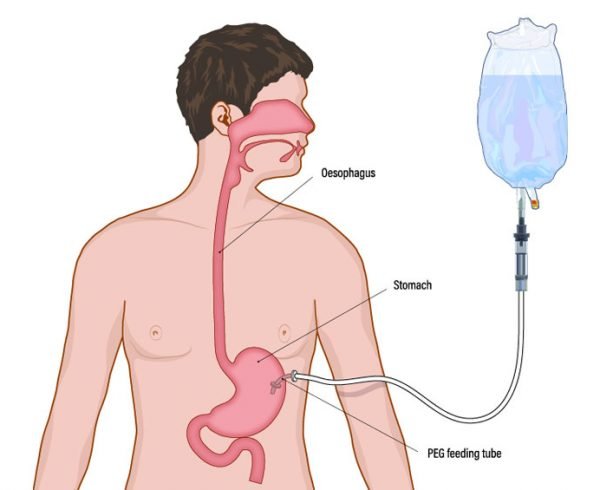
    PERCUTANEOUS ENDOSCOPIC GASTROSTOMY Image Source: https://journals.rcni.com/learning-disability-practice/cpd/percutaneous-endoscopic-gastrostomy-feeding-clinical-knowledge-and-skills-for-learning-disability-nurses-ldp.2019.e1938/abs What is a PEG? PEG stands for percutaneous endoscopic gastrostomy, a procedure where a flexible feeding tube is placed through the abdominal wall and into the stomach. PEG allows nutrition, fluids andRead more

  • Ascites Fluid Tapping

    By askadmin | 0 comment

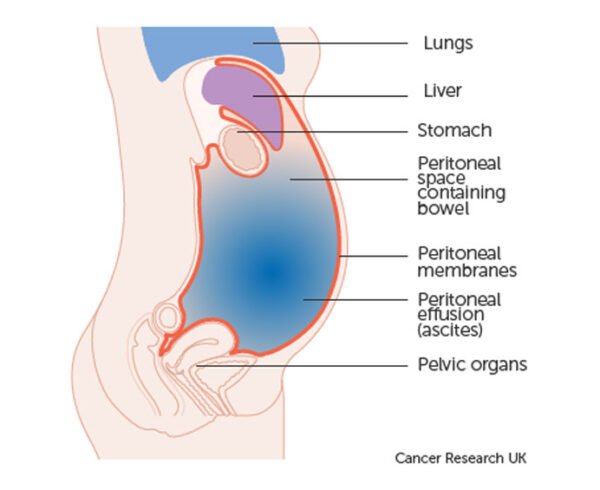
    ASCITES FLUID TAPPING Image Source: https://www.cancerresearchuk.org/about-cancer/coping/physically/fluid-abdomen-ascites/about What is Ascites? Ascites occurs when fluid accumulates in the abdomen. This build-up occurs between two membrane layers that together make up the peritoneum, a smooth sac that containsRead more

  • Intubation

    By askadmin | 0 comment

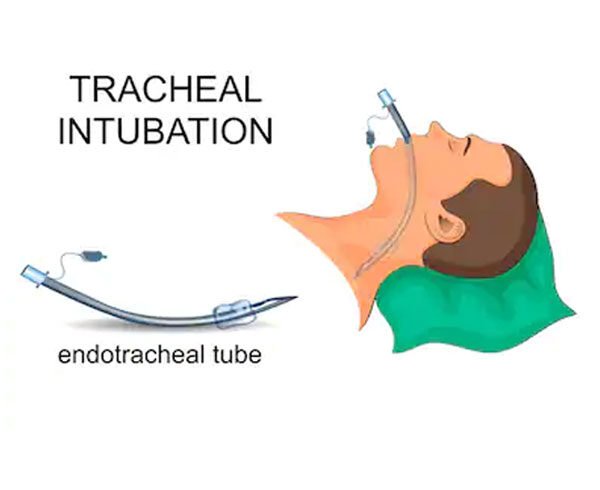
    INTUBATION What is intubation? Intubation is a process of passing a tube into the breathing pipe [endotracheal tube], to facilitate the breathing process. Image Source: https://www.shutterstock.com/search/endotracheal+tube Image Source: https://m.smiths-medical.com/products/airway-management/endotracheal-tubes/cuffed-endotracheal-tubes/endotracheal-tube How it is done? It is mostlyRead more

  • Arterial Blood Gas

    By askadmin | 0 comment

    ARTERIAL BLOOD GAS What is ABG? Image Source: https://nurse.org/articles/arterial-blood-gas-test/ It is arterial blood gas analysis. There are two types of vessels, artery carries oxygen rich blood from the heart to the tissues and vein carriesRead more

Leave a Comment

Your email address will not be published. Required fields are marked *

three × one =

© 2019 AskIntensivist | All Rights Reserved

Made With By WEBEDP
  • About
    • About Us
    • About Dr. Anand Bhabhor
    • History of ICU
    • Critical Care in Two Tier Cities in India
  • Procedures In ICU
    • Ascites Fluid Tapping
    • Arterial Blood Gas
    • Arterial Line Insertion
    • Bone Marrow Biopsy
    • Bronchoscopy
    • Central Line Insertion
    • Dialysis Port Insertion
    • EEG EMG NCS
    • Foley Catheter Insertion
    • Intubation
    • Lumbar Puncture
    • Percutaneous Endoscopic Gastrostomy
    • Pericardiocentesis
    • Peripheral Catheter Insertion
    • Pleural Fluid Tapping
    • Pulmonary Arterial Catheter Insertion (PA Cath)
    • Ryles Tube Insertion
  • Events In ICU
    • Bedsores (Pressure Ulcer)
    • Collapsed Lung
    • Complications of Immobilization
    • Critical Illness Neuro-Myopathy
    • Stroke
    • Venous Thromboembolism (VTE)
  • Common Care In ICU
    • Physiotherapy
  • Investigations In ICU
    • Digital Subtraction Angiography (DSA)
    • Radiology
  • FAQs
ASKINTENSIVIST