ASKINTENSIVISTASKINTENSIVISTASKINTENSIVISTASKINTENSIVIST
  • About
    • About Us
    • About Dr. Anand Bhabhor
    • History of ICU
    • Critical Care in Two Tier Cities in India
  • Procedures In ICU
    • Ascites Fluid Tapping
    • Arterial Blood Gas
    • Arterial Line Insertion
    • Bone Marrow Biopsy
    • Bronchoscopy
    • Central Line Insertion
    • Dialysis Port Insertion
    • EEG EMG NCS
    • Foley Catheter Insertion
    • Intubation
    • Lumbar Puncture
    • Percutaneous Endoscopic Gastrostomy
    • Pericardiocentesis
    • Peripheral Catheter Insertion
    • Pleural Fluid Tapping
    • Pulmonary Arterial Catheter Insertion (PA Cath)
    • Ryles Tube Insertion
  • Events In ICU
    • Bedsores (Pressure Ulcer)
    • Collapsed Lung
    • Complications of Immobilization
    • Critical Illness Neuro-Myopathy
    • Stroke
    • Venous Thromboembolism (VTE)
  • Common Care In ICU
    • Physiotherapy
  • Investigations In ICU
    • Digital Subtraction Angiography (DSA)
    • Radiology
  • FAQs
foley-catheter

Foley Catheter Insertion

By askadmin | Procedures In ICU | 0 comment | 27 August, 2019 | 0

FOLEY CATHETER INSERTION
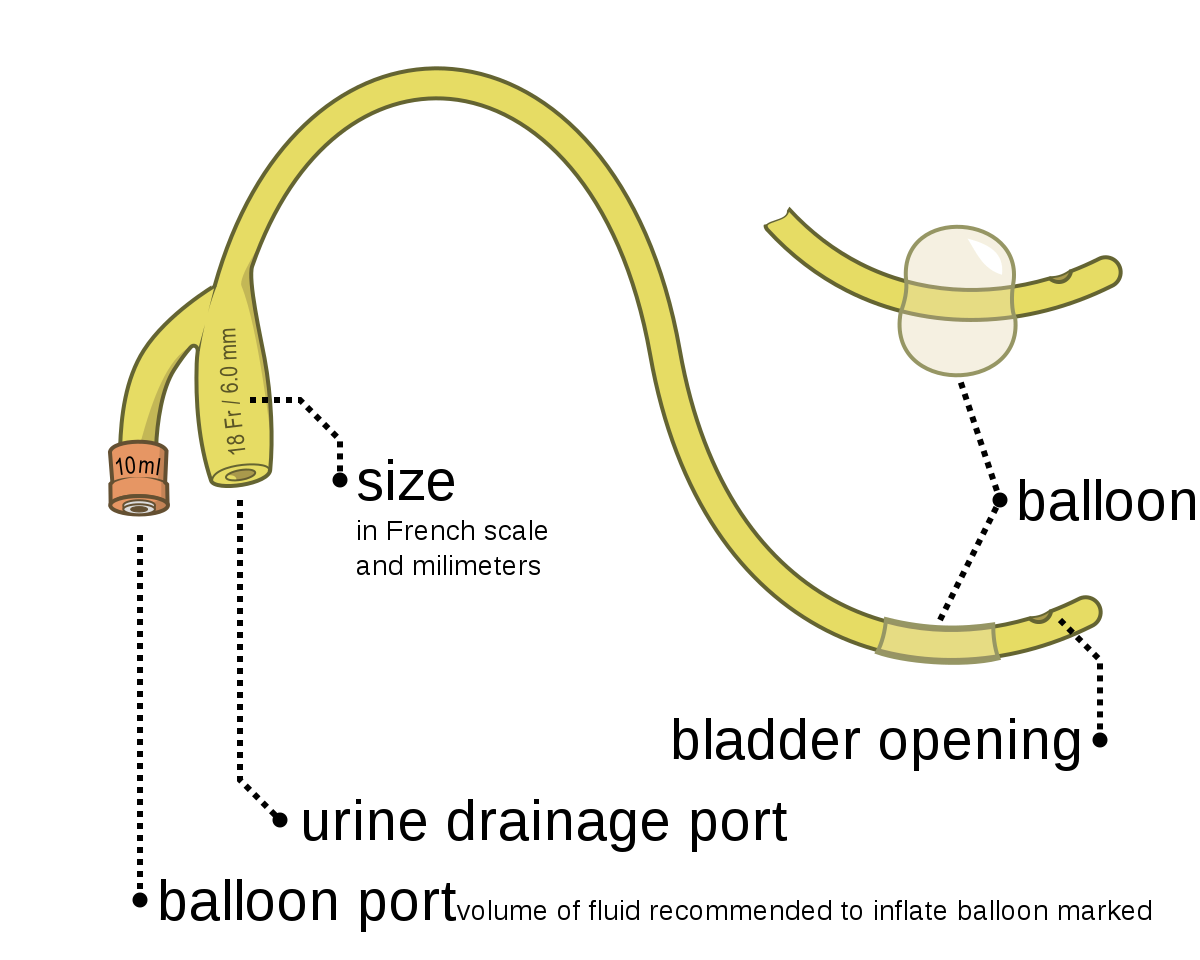
foley-catheter

Image Source: https://en.wikipedia.org/wiki/Foley_catheter

What is Foley’s Catheterization?

It is rubber catheter inserted into the urinary bladder for urine collection outside of the body into a bag. There are two kinds of catheter, rubber catheter and silicon catheter. The silicon catheter can be kept for long time into the bladder when needed.

Why it is done?

It is done to measure hourly urine output. It is important to measure hourly urine output when patient is in shock or in renal failure. It helps to guide the patient care.
Sometimes it is also used to monitor intraabdominal pressure.
It is also used for irrigation after TURP surgery.
It is also used to give bladder wash and sometimes antibiotics wash.

How it is done?

It is done under strict aseptic precaution by an experienced medical staff.
The procedure is done when patient is in supine position and laying on back. The private part is thoroughly cleaned with antiseptic solutions and appropriate size catheter is inserted into the bladder via urethra. Once urine come out through the catheter, balloon is inflated with water and catheter is fixed on the patient thigh to prevent dragging of the catheter during patient movement.
Catheter requires daily examination and care by the nursing staff for the discharges and leakage of urine.
It is a commonly done procedure and easy to perform in an experienced hand.

What is the risk ?

During catheter insertion it may cause trauma to urethra and results in bleeding.
Occasionally it can create false passage into the urethra, which can be an emergency. Usually it is very safe procedure in a safe hand of an expert medical staff.
This kind of complications arises mostly when there is phimosis or if the procedure is done in an emergency situation. These complications can be managed.


foley’s catheterization, three lumen, Two lumen

askadmin

More posts by askadmin

Related Posts

  • EEG EMG NCS

    By askadmin | 0 comment

    EEG EMG NCS Image Source: https://www.slideshare.net/RoxMae/electroencephalogram-electroencephalography What is EEG? EEG (Electroencephalopgram) is a test that detects electrical activity in your brain using electrodes placed on the scalp. Why is it done? Brain cells are activeRead more

  • Percutaneous Endoscopic Gastrostomy

    By askadmin | 0 comment

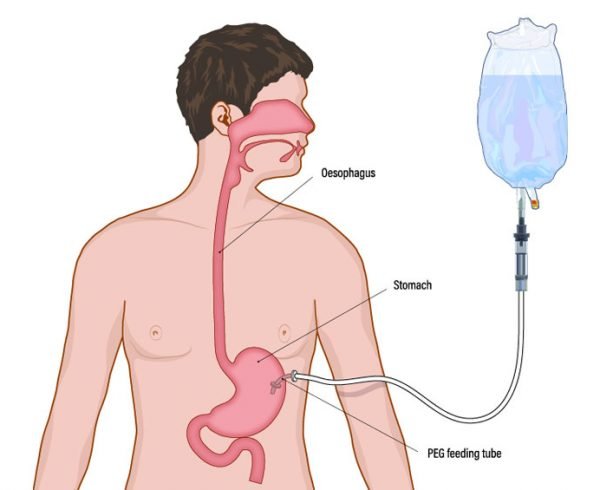
    PERCUTANEOUS ENDOSCOPIC GASTROSTOMY Image Source: https://journals.rcni.com/learning-disability-practice/cpd/percutaneous-endoscopic-gastrostomy-feeding-clinical-knowledge-and-skills-for-learning-disability-nurses-ldp.2019.e1938/abs What is a PEG? PEG stands for percutaneous endoscopic gastrostomy, a procedure where a flexible feeding tube is placed through the abdominal wall and into the stomach. PEG allows nutrition, fluids andRead more

  • Ascites Fluid Tapping

    By askadmin | 0 comment

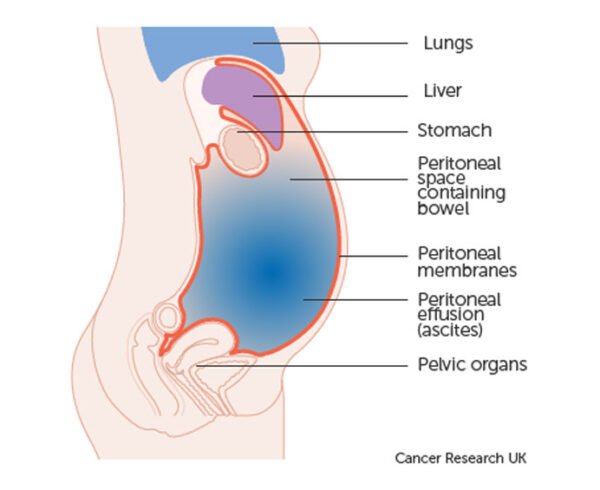
    ASCITES FLUID TAPPING Image Source: https://www.cancerresearchuk.org/about-cancer/coping/physically/fluid-abdomen-ascites/about What is Ascites? Ascites occurs when fluid accumulates in the abdomen. This build-up occurs between two membrane layers that together make up the peritoneum, a smooth sac that containsRead more

  • Intubation

    By askadmin | 0 comment

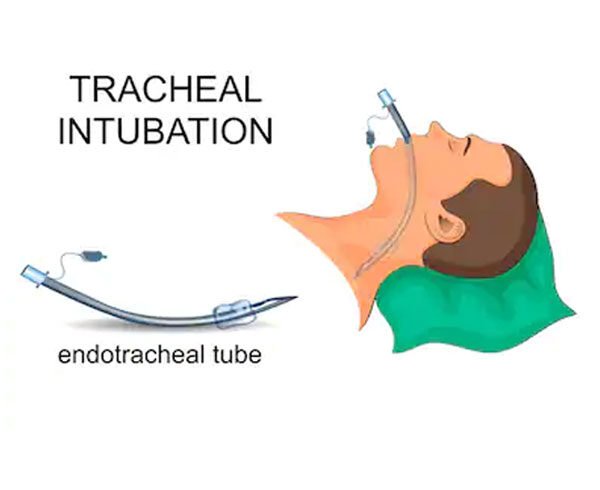
    INTUBATION What is intubation? Intubation is a process of passing a tube into the breathing pipe [endotracheal tube], to facilitate the breathing process. Image Source: https://www.shutterstock.com/search/endotracheal+tube Image Source: https://m.smiths-medical.com/products/airway-management/endotracheal-tubes/cuffed-endotracheal-tubes/endotracheal-tube How it is done? It is mostlyRead more

  • Arterial Blood Gas

    By askadmin | 0 comment

    ARTERIAL BLOOD GAS What is ABG? Image Source: https://nurse.org/articles/arterial-blood-gas-test/ It is arterial blood gas analysis. There are two types of vessels, artery carries oxygen rich blood from the heart to the tissues and vein carriesRead more

Leave a Comment

Your email address will not be published. Required fields are marked *

five − 4 =

© 2019 AskIntensivist | All Rights Reserved

Made With By WEBEDP
  • About
    • About Us
    • About Dr. Anand Bhabhor
    • History of ICU
    • Critical Care in Two Tier Cities in India
  • Procedures In ICU
    • Ascites Fluid Tapping
    • Arterial Blood Gas
    • Arterial Line Insertion
    • Bone Marrow Biopsy
    • Bronchoscopy
    • Central Line Insertion
    • Dialysis Port Insertion
    • EEG EMG NCS
    • Foley Catheter Insertion
    • Intubation
    • Lumbar Puncture
    • Percutaneous Endoscopic Gastrostomy
    • Pericardiocentesis
    • Peripheral Catheter Insertion
    • Pleural Fluid Tapping
    • Pulmonary Arterial Catheter Insertion (PA Cath)
    • Ryles Tube Insertion
  • Events In ICU
    • Bedsores (Pressure Ulcer)
    • Collapsed Lung
    • Complications of Immobilization
    • Critical Illness Neuro-Myopathy
    • Stroke
    • Venous Thromboembolism (VTE)
  • Common Care In ICU
    • Physiotherapy
  • Investigations In ICU
    • Digital Subtraction Angiography (DSA)
    • Radiology
  • FAQs
ASKINTENSIVIST