ASKINTENSIVISTASKINTENSIVISTASKINTENSIVISTASKINTENSIVIST
  • About
    • About Us
    • About Dr. Anand Bhabhor
    • History of ICU
    • Critical Care in Two Tier Cities in India
  • Procedures In ICU
    • Ascites Fluid Tapping
    • Arterial Blood Gas
    • Arterial Line Insertion
    • Bone Marrow Biopsy
    • Bronchoscopy
    • Central Line Insertion
    • Dialysis Port Insertion
    • EEG EMG NCS
    • Foley Catheter Insertion
    • Intubation
    • Lumbar Puncture
    • Percutaneous Endoscopic Gastrostomy
    • Pericardiocentesis
    • Peripheral Catheter Insertion
    • Pleural Fluid Tapping
    • Pulmonary Arterial Catheter Insertion (PA Cath)
    • Ryles Tube Insertion
  • Events In ICU
    • Bedsores (Pressure Ulcer)
    • Collapsed Lung
    • Complications of Immobilization
    • Critical Illness Neuro-Myopathy
    • Stroke
    • Venous Thromboembolism (VTE)
  • Common Care In ICU
    • Physiotherapy
  • Investigations In ICU
    • Digital Subtraction Angiography (DSA)
    • Radiology
  • FAQs

Critical Illness Neuro-Myopathy

By Dr. Azad Irani | Events In ICU | 0 comment | 23 May, 2019 | 0

CRITICAL ILLNESS NEURO-MYOPATHY

What is Critical Illness Neuro-Myopathy?

Patients who a very ill in the ICU are at risk of developing severe weakness of limb muscles and of respiratory muscles. This is known as Critical Illness Neuro-myopathy. The weakness of respiratory muscles will result in patient requiring prolonged ventilator support.

Who develops this condition?

It is estimated that 50% of extremely ill (patients with below-mentioned risk factors) patients may develop this condition.

Risk Factors for developing Critical Illness Neuro-myopathy:

Severe Infection (sepsis)

Multi-Organ Dysfunction

Patient on Ventilator for more than 3 days

Very high sugars

Prolonged Immobility

Use of certain medications (high dose steroids, Neuro-muscular blocking agents)

How can we try to prevent it?

Prevention would mainly include early use of limb and chest physiotherapy, good sugar control, avoiding the use of neuromuscular drugs/steroids( unless they are necessary which they often are in ICU settings).

Despite the above measures, however, many patients still develop this illness.

How to diagnose it?

The doctor will suspect CINM when a patient develops symmetrical weakness of all limbs or a patient who is unable to breathe without ventilatory support. Patients facial and eye muscles are generally uninvolved in this entity.

Next, the doctor may undertake certain tests like EMG-NCS to confirm this diagnosis. This test may, however, be difficult to perform as many patients may not be able to cooperate during such testing. The Doctor may also do tests to rule out myasthenia gravis and Guillain-Barre syndrome both of which present very similarly to this condition.

How to treat it?

There is, unfortunately, no specific therapy for this illness once it has set in and following the same preventive measures (as above) may prevent its further progress.

Your doctor may have to advise a tracheostomy insertion and/or stomach feeding tube insertion.

Prognosis:

Recovery often takes a very long time and patients may not recover completely even after a year.

#neuro-myopathy, #prolonged-immobility, #sepsis, #severe-infection

Dr. Azad Irani

(Clinical Associate) | DNB [General Medicine], DNB [Neurology]

More posts by Dr. Azad Irani

Related Posts

  • Stroke

    By askadmin | 0 comment

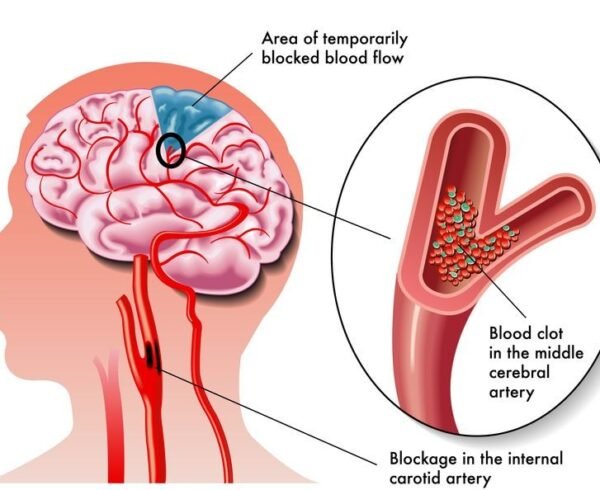
    STROKE PAMPHELET A stroke is a sudden event that occurs resulting due to death of cells in the brain and results in any of the following symptoms. In common terms stroke is a paralysis attack.Read more

  • Bedsores (Pressure Ulcer)

    By Sis. Jyotshna Mohite | 0 comment

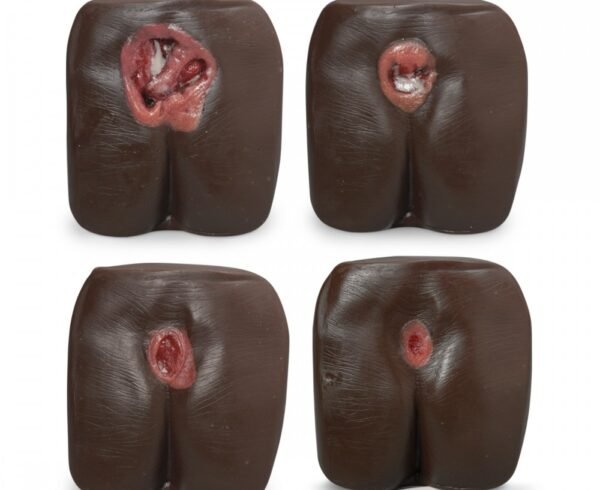
    GUIDE ON PRESSURE ULCERPressure Ulcers – A Guide for patient and caregivers PRESSURE ULCER Pressure ulcers may also be called bed sores or pressure sores or pressure injury Skin reddening that disappears after pressure isRead more

  • Venous Thromboembolism (VTE)

    By askadmin | 0 comment

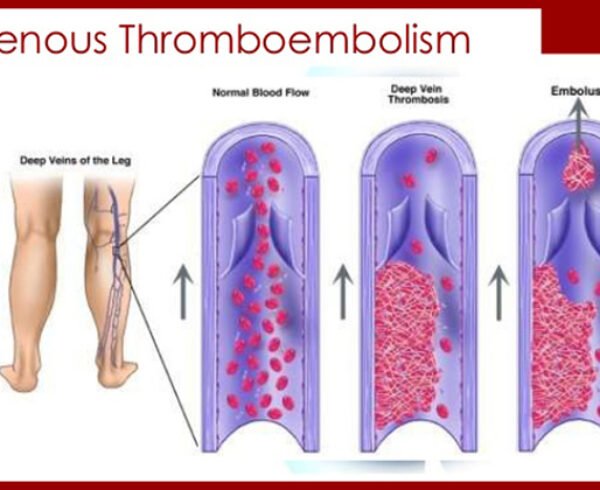
    VENOUS THROMBOEMBOLISM (VTE) Image Source: https://desdaughter.com/2016/12/01/testosterone-treatment-and-risk-of-venous-thromboembolism/ Venous Thromboembolism (VTE) Venous thromboembolism or deep vein thrombosis (DVT) occurs when a blood clot (thrombus) forms in one or more of the deep veins in your body, usuallyRead more

  • Complications of Immobilization

    By Dr. Reena Javkar | 0 comment

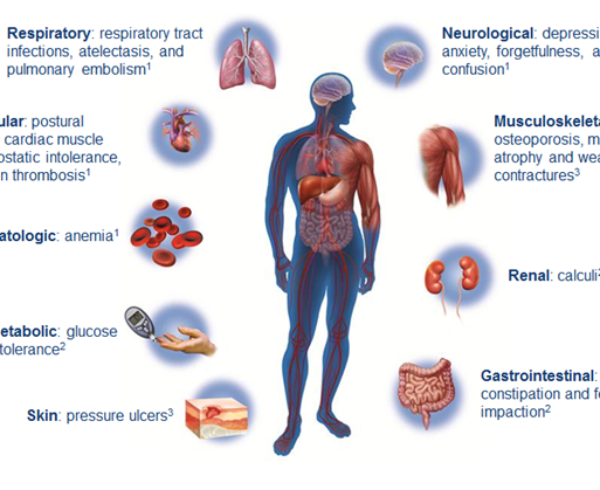
    COMPLICATIONS OF IMMOBILIZATION Prolonged bed rest and immobilization leads to complications which are much easier to prevent than to treat. Various causes of immobilization can be as follows: Enforced bed rest due to illness ParalysisRead more

  • Collapsed Lung

    By Dr. Nimish Shah | 2 comments

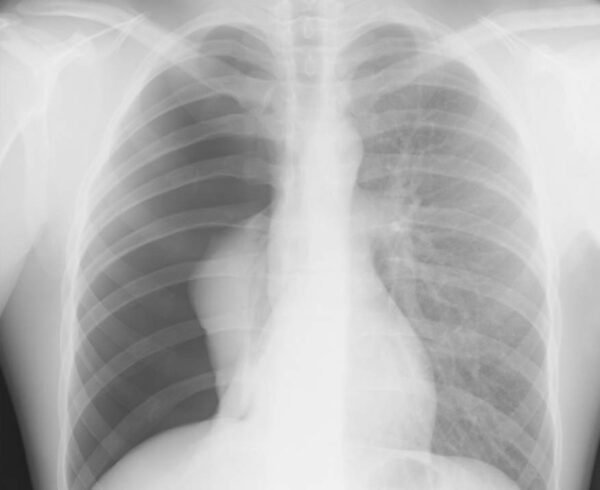
    COLLAPSED LUNG Lung collapse is described as any cause that prevents the lung from expanding or let it remain expanded. Image Source: https://medlineplus.gov/collapsedlung.html Image Source: https://www.fairview.org/patient-education/85307 Image Source: https://radiopaedia.org/cases/hemithorax-white-out-lung-collapse There are multiple reasons that couldRead more

Leave a Comment

Your email address will not be published. Required fields are marked *

sixteen − 10 =

© 2019 AskIntensivist | All Rights Reserved

Made With By WEBEDP
  • About
    • About Us
    • About Dr. Anand Bhabhor
    • History of ICU
    • Critical Care in Two Tier Cities in India
  • Procedures In ICU
    • Ascites Fluid Tapping
    • Arterial Blood Gas
    • Arterial Line Insertion
    • Bone Marrow Biopsy
    • Bronchoscopy
    • Central Line Insertion
    • Dialysis Port Insertion
    • EEG EMG NCS
    • Foley Catheter Insertion
    • Intubation
    • Lumbar Puncture
    • Percutaneous Endoscopic Gastrostomy
    • Pericardiocentesis
    • Peripheral Catheter Insertion
    • Pleural Fluid Tapping
    • Pulmonary Arterial Catheter Insertion (PA Cath)
    • Ryles Tube Insertion
  • Events In ICU
    • Bedsores (Pressure Ulcer)
    • Collapsed Lung
    • Complications of Immobilization
    • Critical Illness Neuro-Myopathy
    • Stroke
    • Venous Thromboembolism (VTE)
  • Common Care In ICU
    • Physiotherapy
  • Investigations In ICU
    • Digital Subtraction Angiography (DSA)
    • Radiology
  • FAQs
ASKINTENSIVIST